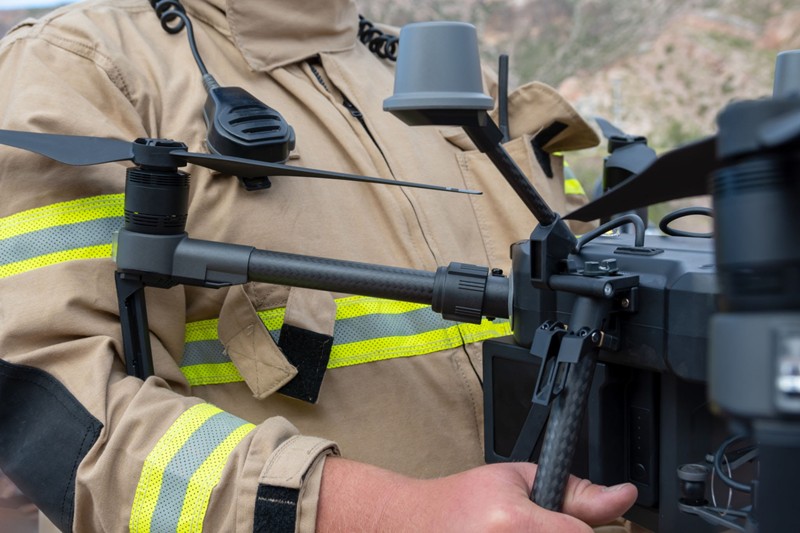
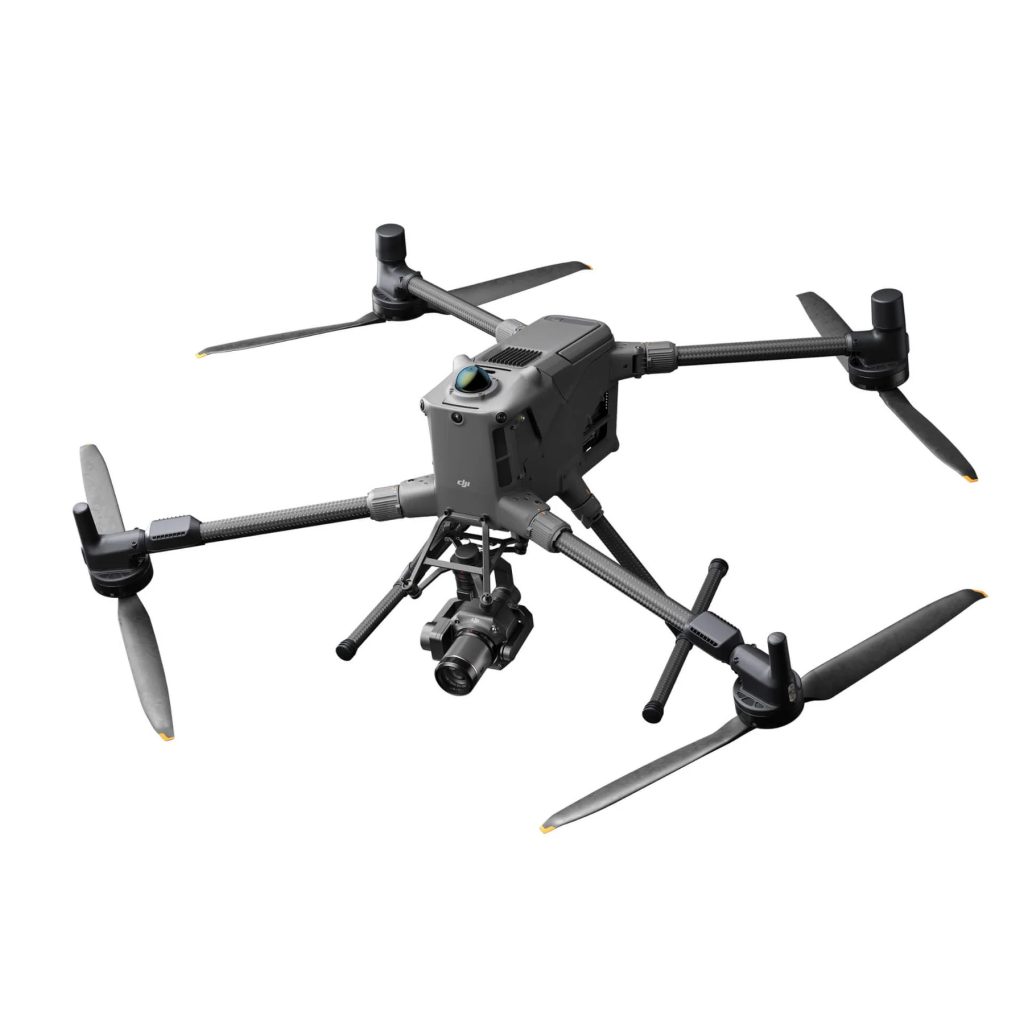
The way drones are being used across the globe has brought significant benefits to industries and hobbyists alike but has also introduced challenges around airspace management. One crucial development in response to these challenges is Remote ID, a system that allows drones to broadcast their identification and location in real time, effectively serving as a digital licence plate for every flight. This traceability is vital to ensure drones operate responsibly while supporting law enforcement and protecting public safety.
Recent incidents highlight why such a system has become necessary. For example, in October 2025, a drone entering the restricted airspace over Edinburgh Airport caused multiple flight delays. Although Police Scotland confirmed there was no immediate threat to the public, the incident demonstrated how unauthorized drones could disrupt major airports. In another high-profile case, men were arrested near Windsor Castle for flying drones within restricted airspace amid the security preparations for President Donald Trump’s UK visit in September 2025.
Without clear identification, authorities struggle to trace drone operators in real time and remote ID effectively addresses this by allowing authorities to identify drones while they are in flight.
What Is Remote ID in the UK?
Remote ID enables a drone to automatically broadcast its identification and location while flying, helping to distinguish responsible operators from those flying unlawfully. The UK Civil Aviation Authority (CAA) describes it as a system that will help to keep everyone safe and secure.
There are three main types of Remote ID:
- Direct Remote ID: Transmits information locally via Bluetooth or Wi-Fi, detectable by nearby devices such as smartphones or tablets.
- Networked Remote ID: Sends data through the internet to a central database, accessible by authorised users like police and air traffic authorities.
- Hybrid Remote ID: Combines both systems, offering flexibility and redundancy for better tracking and compliance.
Unlike electronic conspicuity (EC) systems, such as Automatic Dependent Surveillance–Broadcast (ADS-B) transponders, which make aircraft visible to other pilots and Air Traffic Control (ATC), Remote ID is primarily designed for regulatory and safety enforcement rather than navigation or collision avoidance.
Operational Impacts
The rollout of Remote ID in the UK is being carefully phased to give both manufacturers and operators time to adjust. This gradual approach ensures that businesses, hobbyists, and pilots have enough time to integrate Remote ID without disruption. It also allows the CAA and the Department for Transport (DfT) to fine-tune the system before full enforcement. Check out the transition timeline in one glance in our previous blog here.
For Businesses: Enhanced Regulatory Compliance and Operational Traceability
Remote ID mandates businesses to operate drones that broadcast identification linked to registered operators. This shifts the compliance model from occasional checks to real-time traceability, requiring firms to upgrade or replace non-compliant drones by 2026. Businesses must update policies, training, and risk management frameworks to ensure continuous Remote ID activation throughout flights. Failure to comply constitutes a criminal offence, raising operational transparency and accountability in commercial drone activities.For Hobbyists: Gradual Integration and Equipment Upgrades
For hobbyists and recreational flyers, the idea of their drones broadcasting information may initially feel intrusive. However, Remote ID has been designed to balance accountability with privacy and ease of use. From 2028 onwards, Direct Remote ID will apply to model aircraft and privately built drones weighing 100 grams or more if they have a camera. This means most hobbyist drones will eventually need to include or retrofit Remote ID functionality. That said, the system’s design ensures that personal information remains secure.For Pilots: Individual Accountability and Certification Linkage
Remote ID links every flight not just to the drone’s registration but also the pilot’s credentials. Operators must ensure their Flyer ID and Operator ID are valid and that the Remote ID system is active during operations. This raises the stakes for pilots by embedding digital accountability into their workflow, impacting pilot training, certification maintenance, and operational planning to meet the new regulatory standards.For Safety and Enforcement: Real-Time Identification and Support
Remote ID makes it easier for law enforcement and local authorities to identify drones that are violating or disrupting airspace. By transmitting operator and location data, authorities can react instantly to unauthorized flights, speeding up investigations and enforcement actions, thereby improving public safety and airspace security. This system also reduces the burden on police and regulators by enabling direct engagement with pilots rather than reacting to anonymous drone incidents.For the Drone Ecosystem: Enabling Future Innovation and Airspace Integration
By embedding Remote ID at the product level, the UK is laying the groundwork for advanced drone applications such as beyond visual line of sight (BVLOS) operations, drone deliveries, and urban air mobility. This digital identification creates a trusted environment for operators and regulators alike, supporting innovation while maintaining a safe airspace. The introduction of Hybrid Remote ID in the future will further enhance flexibility and tracking capabilities, facilitating wider adoption across various sectors.Building Safety and Public Trust
One of the most significant challenges for the drone industry has been public perception. Concerns about privacy, noise, and misuse have occasionally overshadowed the legitimate and beneficial applications of drones. Remote ID is a direct response to those concerns.
By allowing the public and authorities to identify drones and their pilots, Remote ID introduces a layer of accountability and transparency that strengthens trust. Instead of reacting unpredictably to a drone’s presence, members of the public can have confidence that oversight exists and that operators can be contacted if necessary.
From a safety standpoint, Remote ID supports faster incident response. In the case of emergencies or airspace infringements, authorities can identify and locate the responsible drone immediately, reducing risks to other airspace users. It also allows better coordination between manned and unmanned aircraft, especially in shared environments like urban areas or near airports.
Want to understand Remote ID in depth? Speak to the COPTRZ team today on 0330 111 7177 or email [email protected] to find out why it’s important for you.
Download Our FREE RPC-L1 Guide
Understand everything you need to know about moving towards commercial drone operations with our RPC-L1 guide.
- Understand what RPC-L1 is and who it is for
- Learn how the CAA transition impacts operators and training routes
- Get a clear breakdown of requirements, costs and next steps
Related Posts
Introducing our Partnership with Wingtra…
Coptrz are proud to announce our strategic brand partnership with Wingtra Coptrz and Wingtra – the Swiss-based VTOL fixed-wing drone manufacturer – have announced a new agreement with COPTRZ becoming the first Premium Partner in Europe. Coptrz and Wingtra began working together in 2017 and has been expanding their footprint in the UK market ever […]
The Hidden Cost of Poor DJI Drone Maintenance (And How to Avoid It)
Owning a DJI drone is a significant investment, especially for commercial operators who rely on these aircraft day in, day out. With replacement costs rising and product availability increasingly uncertain, it makes commercial and operational sense to extract the maximum possible lifespan from your existing aircraft. At Coptrz, we maintain and support DJI fleets for […]
DJI Dock 2 vs. DJI Dock 3: A Comprehensive Comparison
As drone technology advances, so do the docking solutions that enable autonomous drone operations. DJI Dock 2 and DJI Dock 3 are cutting-edge solutions designed to enhance drone deployment, security, and efficiency. This article compares the two docks across key features such as regulatory compliance, data security, performance, and deployment capabilities. Regulatory Compliance & Safety […]