FPV Drones
First-person-view flight puts pilots inside the environment they're capturing. Coptrz supplies commercial-grade FPV drones, goggles and controllers for confined-space inspection, tactical operations and immersive content production, backed by the training and support to fly them compliantly.






Commercial FPV Drones for Inspection, Security & Creative Operations

Flying from the drone's perspective gives pilots a first-person view of the environment in real time, making it easier to navigate tight spaces and assess conditions as they happen rather than after the fact.
Compact, propeller-guarded airframes are built to fly through gaps, stairwells and voids that standard camera drones can't reach, opening up areas that would otherwise need scaffold or rope access.
Low-latency digital transmission streams footage directly to goggles or a monitor, letting teams on the ground make decisions during the flight instead of waiting for data to be reviewed afterwards.
Lightweight, quick to set up and simple to launch from confined or awkward locations, FPV drones can be in the air within minutes, ideal for time-critical inspection or response work.
Why use FPV drones?
FPV drones close the gap between a pilot and the space they need to see. Where a standard camera drone holds position and streams a stabilised, third-person view, an FPV drone is flown manually from a first-person perspective, letting the pilot thread through gaps, follow a structure's contours and react to what's directly ahead in real time. Compact airframes, generally smaller than standard enterprise drones, are built for manoeuvrability over range or payload, which is exactly the trade-off that suits environments where access is the challenge: confined industrial spaces, indoor structures, and situations where a rapid, close-in look is needed before people go in.
How do FPV drones work?
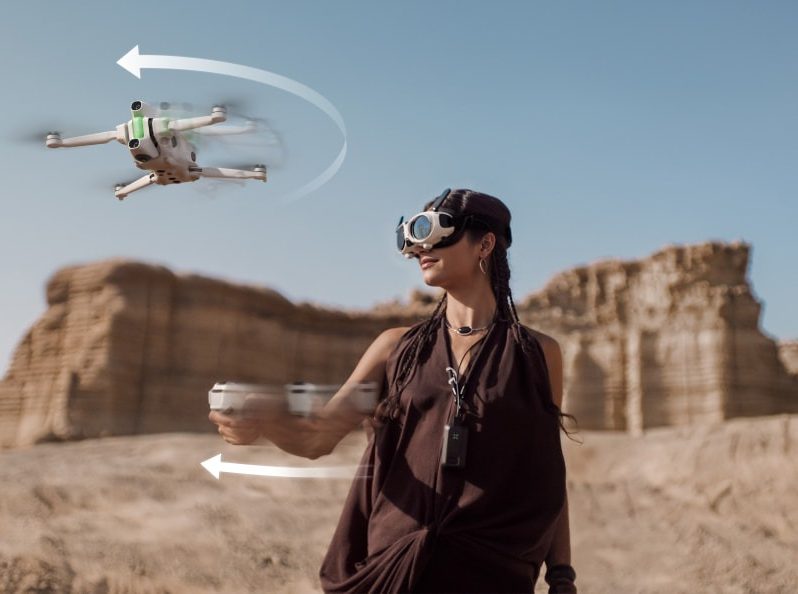
Every FPV drone combines two systems: the airframe, which handles the physical flight, and the vision and control system, made up of the camera, video transmission unit, goggles and controller, which handles what the pilot sees and how they steer. The video transmission unit sends a live feed from the onboard camera directly to the pilot's goggles, so they see exactly what the drone sees as they fly. Manual flight modes give direct control over pitch, roll and yaw, allowing tight manoeuvring that automated flight paths can't replicate. Propeller guards and lightweight, durable frames are designed to take the occasional knock in tight spaces without grounding the aircraft, and low-latency digital transmission keeps the delay between what the drone sees and what the pilot sees to a minimum.
Which FPV drone is right for your operation?
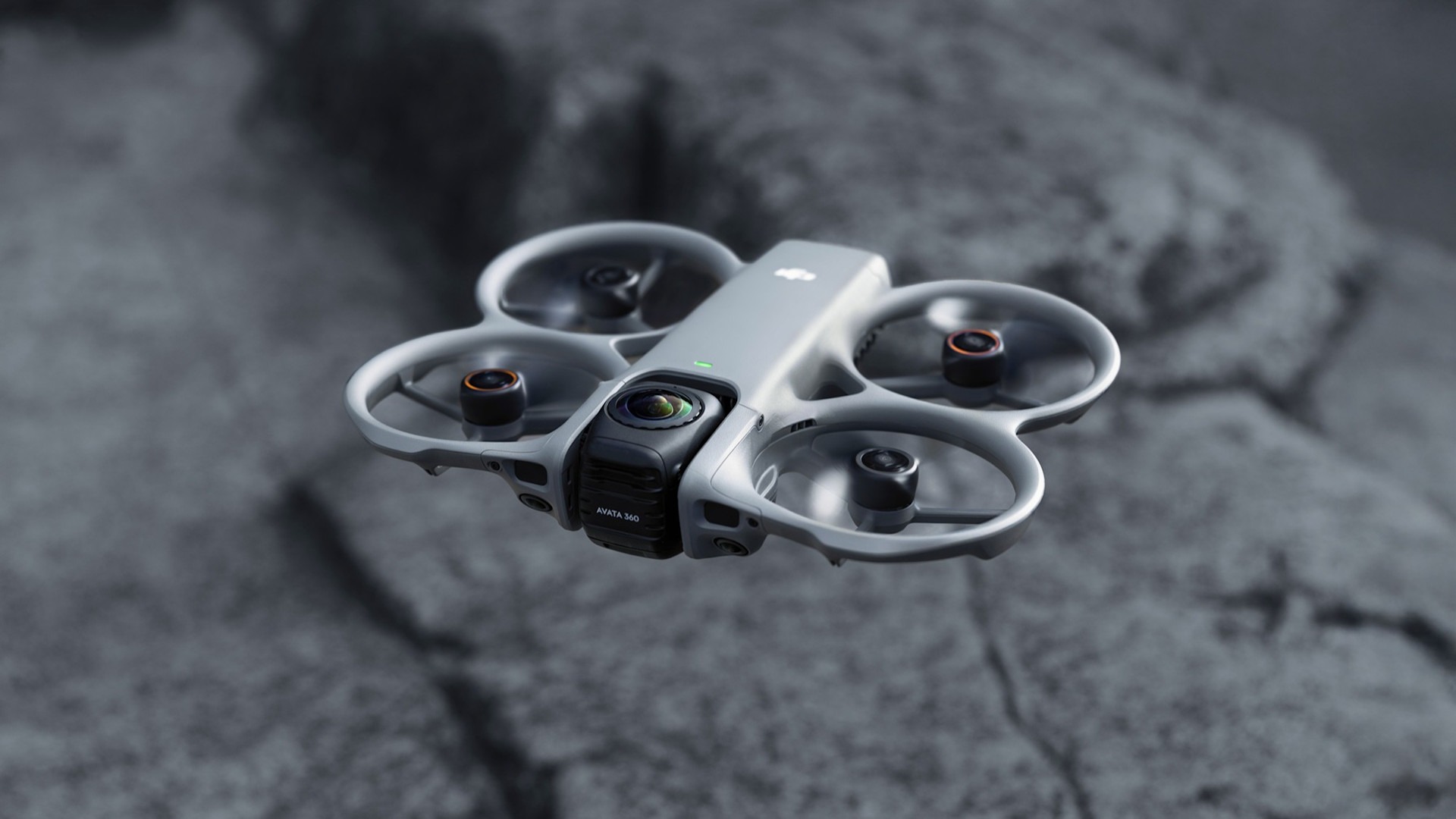
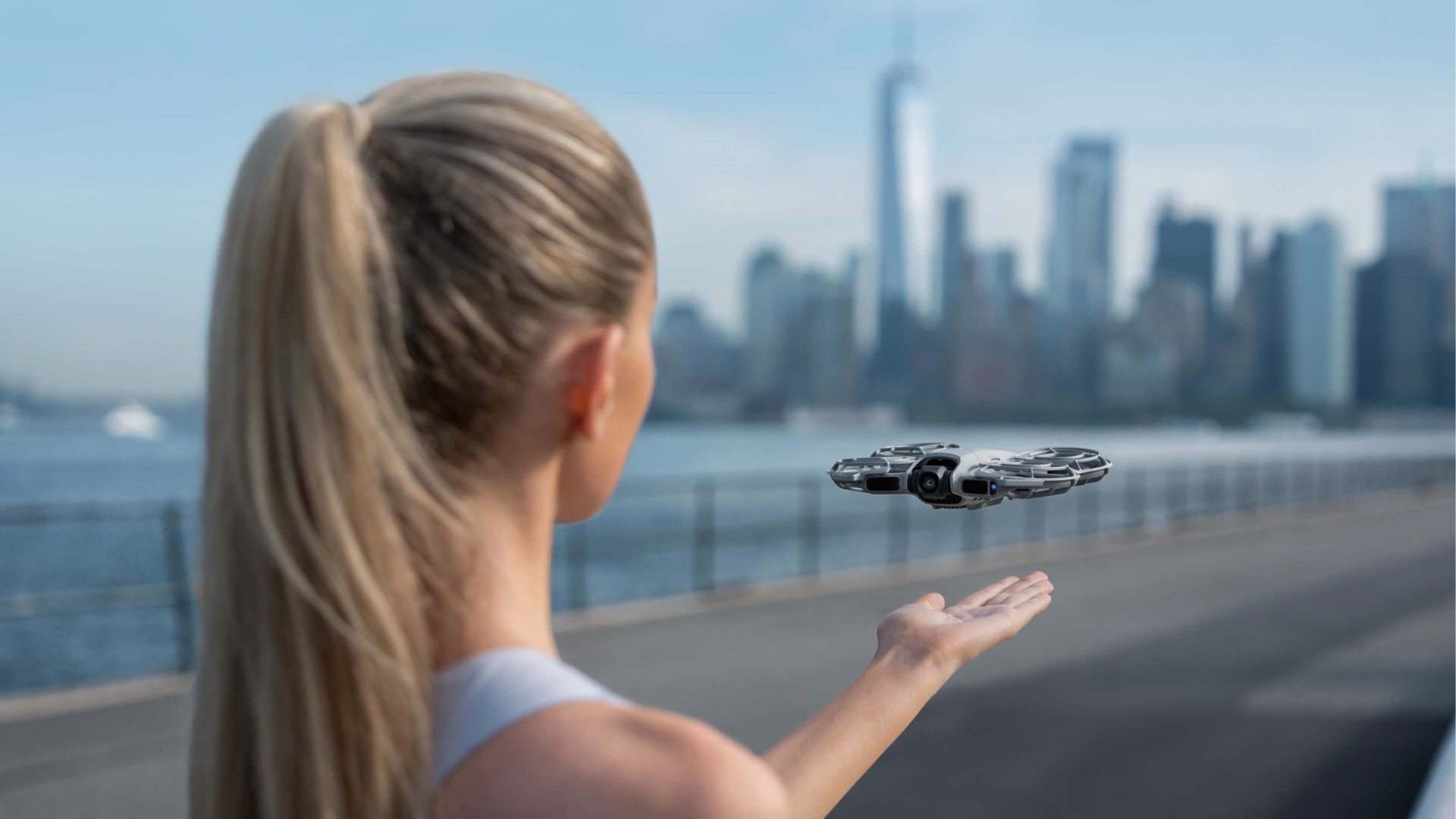
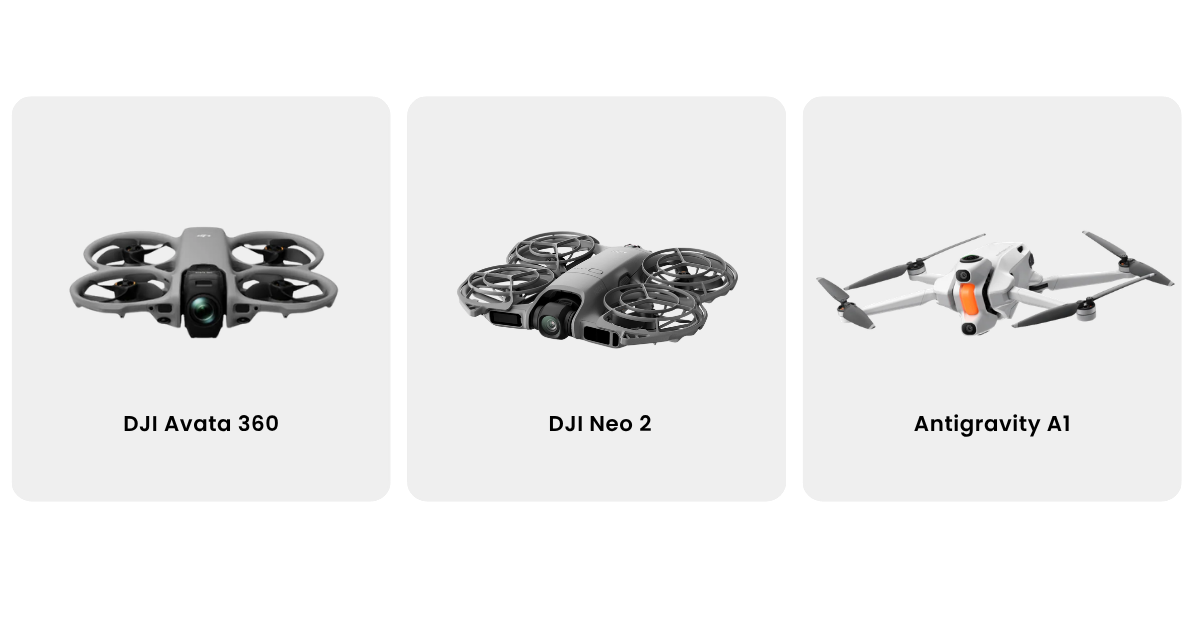
Every FPV mission has different requirements. The DJI Avata 360 is the ideal choice for immersive inspection, cinematic flying and operating in confined environments, combining agile performance with advanced obstacle awareness. For pilots looking for a lightweight, easy-to-fly platform, the DJI Neo 2 provides an accessible introduction to FPV while still delivering impressive image quality and responsive flight.
Whether you're carrying out inspections, capturing dynamic footage or building your FPV skills, our specialists can help you select the right platform, accessories and training package for your requirements.
What training do you need to fly FPV drones commercially?
Flying FPV for work in the UK still falls under the same regulatory framework as any commercial drone operation, so RPC-L1 Part A is the starting point regardless of which airframe you're flying. What's different is the flying itself. Automated flight modes forgive a lot; manual, first-person flight doesn't, and the gap between passing a qualification and flying confidently through a confined or complex space is bigger with FPV than with any other drone type. That's why Coptrz recommends hands-on flight coaching alongside the base qualification, starting with simulator practice and moving to supervised, real-world flying before a pilot takes an FPV drone onto a live job. It's the difference between being legally allowed to fly and actually being ready to.

FAQs
FPV stands for first-person view. Traditional drone piloting is done by line of sight, watching the aircraft from the ground. FPV replaces that with a live video feed from the drone's own camera, streamed to goggles or a screen, so the pilot flies as though they're on board.
A standard camera drone is designed to hover, hold position automatically and capture stable, third-person footage. An FPV drone is flown manually from a first-person perspective, prioritising manoeuvrability and close-in access over automated stability.
Commercially, FPV drones are most often used for confined-space and asset inspection, public safety and security reconnaissance, and close-proximity film and media work.
Yes. Flying an FPV drone for work in the UK requires the appropriate CAA qualification, typically RPC-L1 Part A, alongside operational authorisation for the specific environment being flown in.
Coptrz supplies the latest commercial FPV solutions, including the DJI Avata 360 and DJI Neo 2, alongside compatible goggles, controllers, batteries and accessories. Our team can also advise on the right training and support package for your application.
Alongside your RPC-L1 Part A, hands-on flight coaching is strongly recommended. Manual, first-person flight has a steeper learning curve than automated flight modes.
Got more questions? Contact us.
Book your FREE online consultation
Why choose Coptrz academy?
Cloud Based
Elevate Your Learning Experience: Access your courses anytime, anywhere with our secure and flexible cloud-based platform.
Dashboards
Empower Your Team: Monitor progress, track performance, and manage your team efficiently with our intuitive employee dashboards.
AI Enhanced
Unlock Your Potential: Leverage the power of Artificial Intelligence to optimize your learning experience and achieve your goals faster.
Course Library
Access a wide range of courses across multiple disciplines to expand your knowledge and skills.
Curriculum
Our curriculum is constantly updated to reflect the latest trends, tools, and best practices in the industry.
Resources
Resources are included for a comprehensive learning experience.
Accreditations
Recognised for excellence. Explore the industry certifications that validate our commitment to quality, compliance, and continuous improvement.
ISO 9001 Certified
Certified quality management systems for consistent service and customer satisfaction.
ISO 14001 Certified
Internationally recognised standard for environmental management and commitment to sustainable operations.
Cyber Essentials & Cyber Essential Plus
Government-backed certification demonstrating the highest level of commitment to robust cyber security.
The Equality Register Member
Committed to promoting equality, diversity, and inclusive practices across our entire organisation.
TQUK Recognised Centre
An officially recognised centre for Training Qualifications UK, delivering high-standard regulated qualifications
Registered with Elcas
Approved by the Enhanced Learning Credits Administration Service to provide funded training for Armed Forces personnel.
UK CAA Recognised Assessment Entity: RAE15510
CAA-approved to deliver drone training and assessment for RPC-L1, GVC and A2 CofC qualifications.

FCA Registered
Authorised and regulated by the FCA for consumer finance activities.
UK SORA & BVLOS Operations: SORA-28947, SORA-29134
Helping organisations obtain Operational Authorisations for BVLOS and other complex drone operations using the UK SORA framework.

Ofqual Regulated Training
Delivering prestigious, government-regulated training programmes that guarantee educational excellence and industry recognition.
Latest From Coptrz
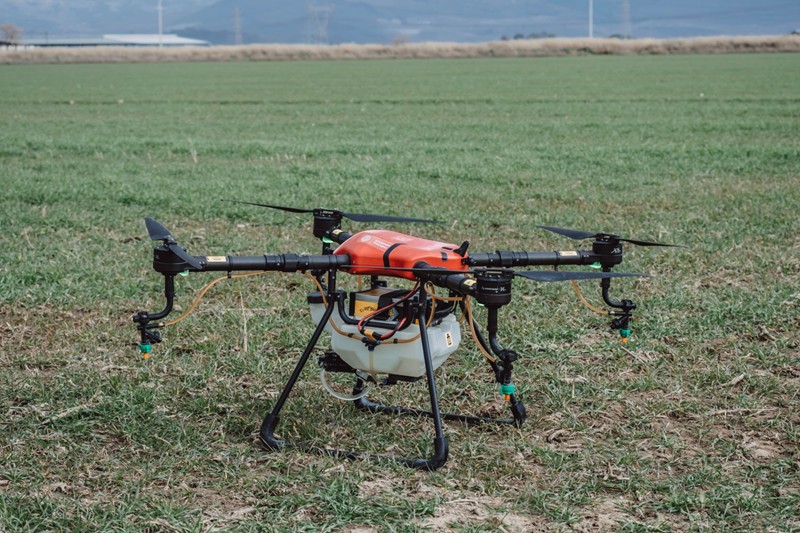
Transforming UK Agriculture & Forestry with Advanced Drone Solutions
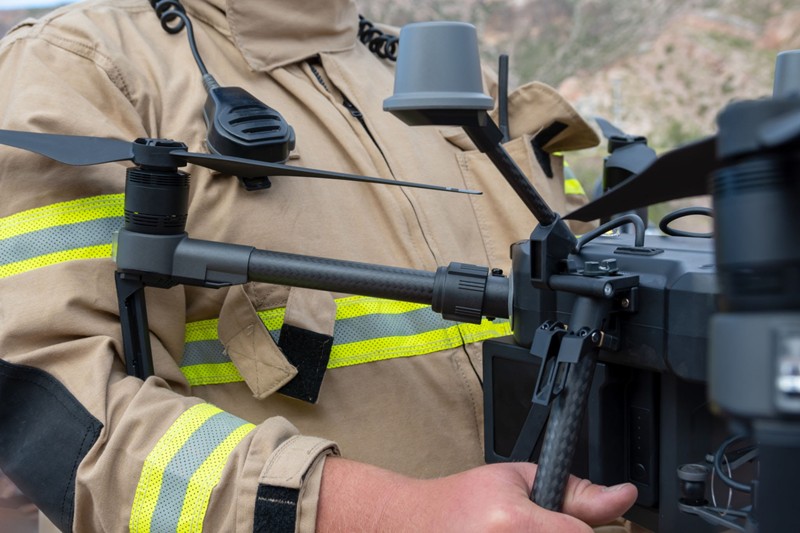
Elevating Public Safety: How Drones Are Transforming Emergency Response
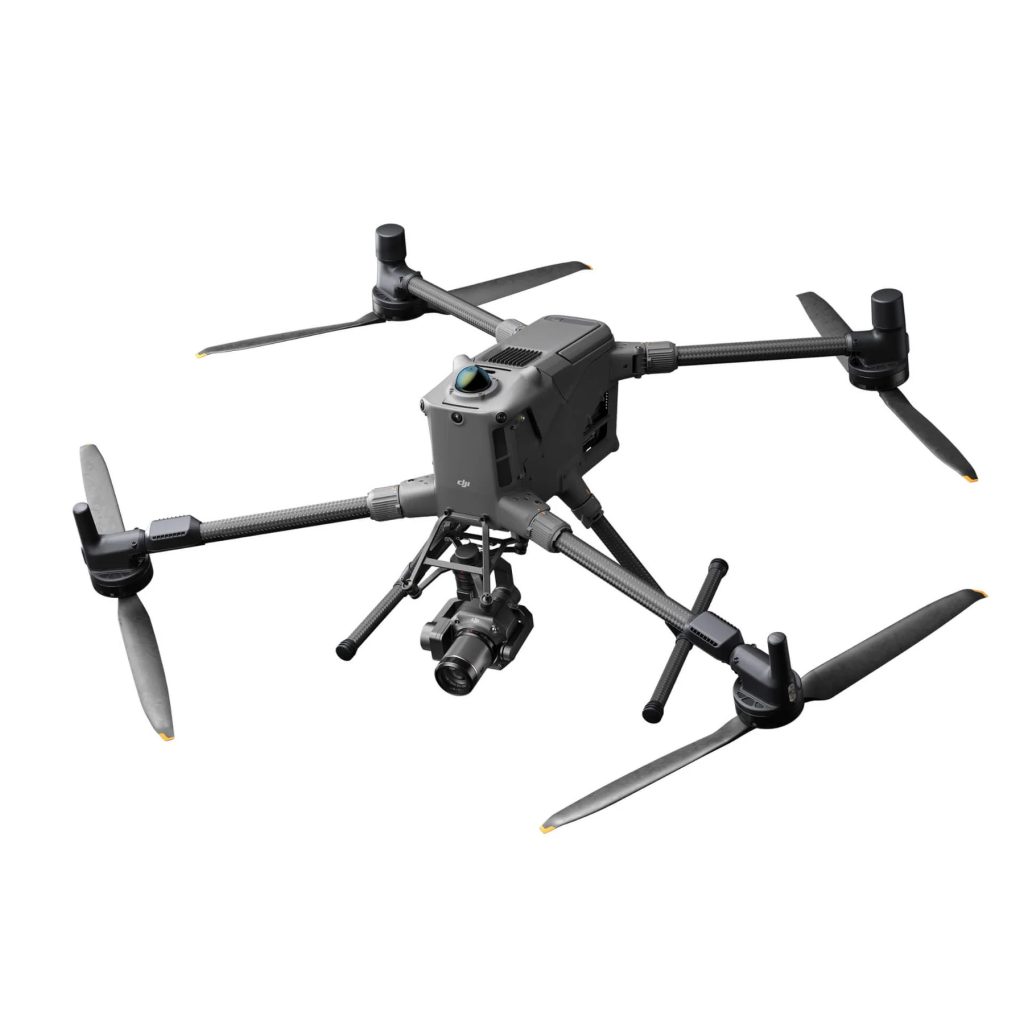
DJI Matrice 400