Everything You Need to Know About Drone Licences in the UK
Learn about A2 CofC, RPC-L1/L2/L3 and GVC — Remote Pilot qualifications that certify drone competence in the UK
In the UK, A2 CofC, RPC and GVC qualifications are certificates of competence for drone pilots. These are qualifications, not formal licences like a manned aircraft PPL or CPL.
★ 4.9 average rating from verified customers
• CAA-Approved Training Provider
• 13,000+ Pilots Qualified and Operational
• RPC-L1, GVC & A2 CofC Courses Available
Trusted by










Why Getting Qualified Matters
The Fundamentals
The UK’s regulatory framework for drone operations is governed by the Civil Aviation Authority (CAA). Drone qualifications ensure operators meet the required safety, operational, and legal standards – whether you’re a hobbyist or running a commercial operation.

Legal Requirement
Flying without the correct registration, qualification or authorisation can result in fines, enforcement action, and in serious cases, prosecution. The right qualification and authorisations keep you on the right side of the law.

Airspace Safety
UK airspace is shared with manned aircraft. Your qualification ensures you understand no-fly zones, Flight Restriction Zones, NOTAMs, and how to avoid endangering other airspace users.

Commercial Credibility
Clients, insurers, and enterprise partners increasingly require proof of qualification. A recognised CAA certificate demonstrates professional competence and commitment to safety.

Insurance Validity
Most commercial drone insurance policies require valid qualifications and correct operational authorisations. Flying without them can invalidate your cover entirely.

Career Progression
The RPC framework offers a clear pathway from entry-level VLOS operations to advanced BVLOS missions, giving qualified Remote Pilots a structured route to develop their career.

Regulatory Compliance
With evolving CAA requirements through 2026 and 2027, staying current with your qualifications protects your business and ensures operations remain lawful as rules change.


GVC will stop being issued on 31st December 2027
The CAA has confirmed that GVC will stop being issued on 31st December 2027. Operators are already transitioning to RPC-L1 to stay compliant, secure future contract, and remain competitive. Existing GVCs may still be accepted until they expire, but only where the Operational Authorisation states that GVC is acceptable.
The Three Operating Categories
The CAA Framework
UK drone operations are classified into three categories based on risk. Your drone, payload, intended operation, and the environment you’re flying in all determine which category applies to you.
Open Category
Lower Risk Operations
For most new pilots, this is the starting point. Operations are lower risk and don’t require a CAA Operational Authorisation. Three sub-categories apply based on drone type and proximity to people.
Sub-Categories
- A1 — Over People: Typically sub-250g aircraft. Can fly over uninvolved people but never over crowds.
- A2 — Near People: Requires A2 CofC. Fly closer to people with the correct aircraft:
- Legacy drones under 2kg – minimum 50m horizontal separation from uninvolved people
- UK2/C2 class marked drones under 4kg – minimum 30m horizontal separation from uninvolved people, reducible to 5m in low-speed mode
- A3 — Far from People: Most restrictive. Drones must stay well away from built-up areas and uninvolved people.
Specific Category
Complex Operations
For operations that exceed Open Category limits. Requires a CAA Operational Authorisation. This is where RPC-L1 and GVC qualifications apply, enabling professional commercial operations.
Common Routes
- Predefined Risk Assessment (PDRA-01) for standard VLOS operations
- RPC-L1 Part A as the recognised pilot competency route
- GVC available until 31st December 2027 and accepted after that only until expiry where the Operational Authorisation allows it
- Full UK SORA assessment for higher-complexity operations
Certified Category
Highest Risk Operations
Aligned with traditional manned aviation regulation. For the most advanced, highest-risk UAS operations. Requires the most extensive certification, oversight, and operational authorisation from the CAA.
Examples
- Operations over large crowds with heavy aircraft
- Cargo and delivery UAS at scale
- Urban Air Mobility operations
- Full aviation-standard oversight applies
Registration, Flyer ID & Operator ID
Before any drone leaves the ground, you need the right registration in place. Requirements depend on the drone’s weight, whether it has a camera, and its UK class mark.
Under 100g
Nano Aircraft
Flyer ID not legally required, though the CAA strongly recommends taking the test.
- Operator ID optional (camera drones still recommended)
- CAA strongly recommends Flyer ID regardless
- Always fly safely and responsibly
100g–250g
Small Aircraft
Flyer ID required. If the drone has a camera, an Operator ID is also required.
- Flyer ID: mandatory
- Operator ID: required if camera-equipped
- Many popular consumer drones fall in this bracket
250g–25kg
Standard Aircraft
Both a Flyer ID and Operator ID are mandatory before any flight.
- Flyer ID: mandatory
- Operator ID: mandatory
- Operator ID must be labelled on the aircraft
- Covers the vast majority of commercial drones
Over 25kg
Large Aircraft
Full CAA authorisation required. Additional rules and oversight beyond standard licensing apply.
- Specific Category operation minimum
- CAA Operational Authorisation required
- Consult CAA directly for your operation
Flyer ID
Proves you’ve passed the CAA’s official online theory test and understand the basic rules for flying safely and legally. Required to fly drones and model aircraft weighing 100g or more.
The test is free and can be completed online. It covers airspace rules, safety, privacy, insurance, and the drone code.
Cost
Free
Valid For
5 Years
Format
Online Test
Operator ID
The person or organisation legally responsible for the drone must register as an operator. The same Operator ID can cover multiple aircraft. Must be over 18 to register (or a parent/guardian can register on behalf of under-18s).
Your Operator ID must be clearly labelled on each aircraft that requires one. Registration is annual and costs £12.34.
Cost
£12.34/yr
Valid For
1 Year
Min Age
18+
Which Qualification Do You Need?
The right qualification depends on your aircraft, the type of operation, and where you need to fly. Here’s a detailed breakdown of each certification pathway.
A2 Certificate of Competency
Open Category, A2 Sub-Category (Near People)
The A2 CofC allows Remote Pilots to fly certain small drones in the Open A2 sub-category, within Visual Line of Sight (VLOS), subject to the applicable separation distances and operating conditions. Separation distances depend on your aircraft:
- UK2 class marked drones, reduced to 30m horizontally, or as low as 5m in low-speed mode
- Legacy drones under 2kg, minimum 50m horizontal separation from uninvolved people
A class mark is the marking that shows which set of Open Category rules the drone can be flown under. If the drone does not have a class mark, it is called a ‘legacy’ drone.
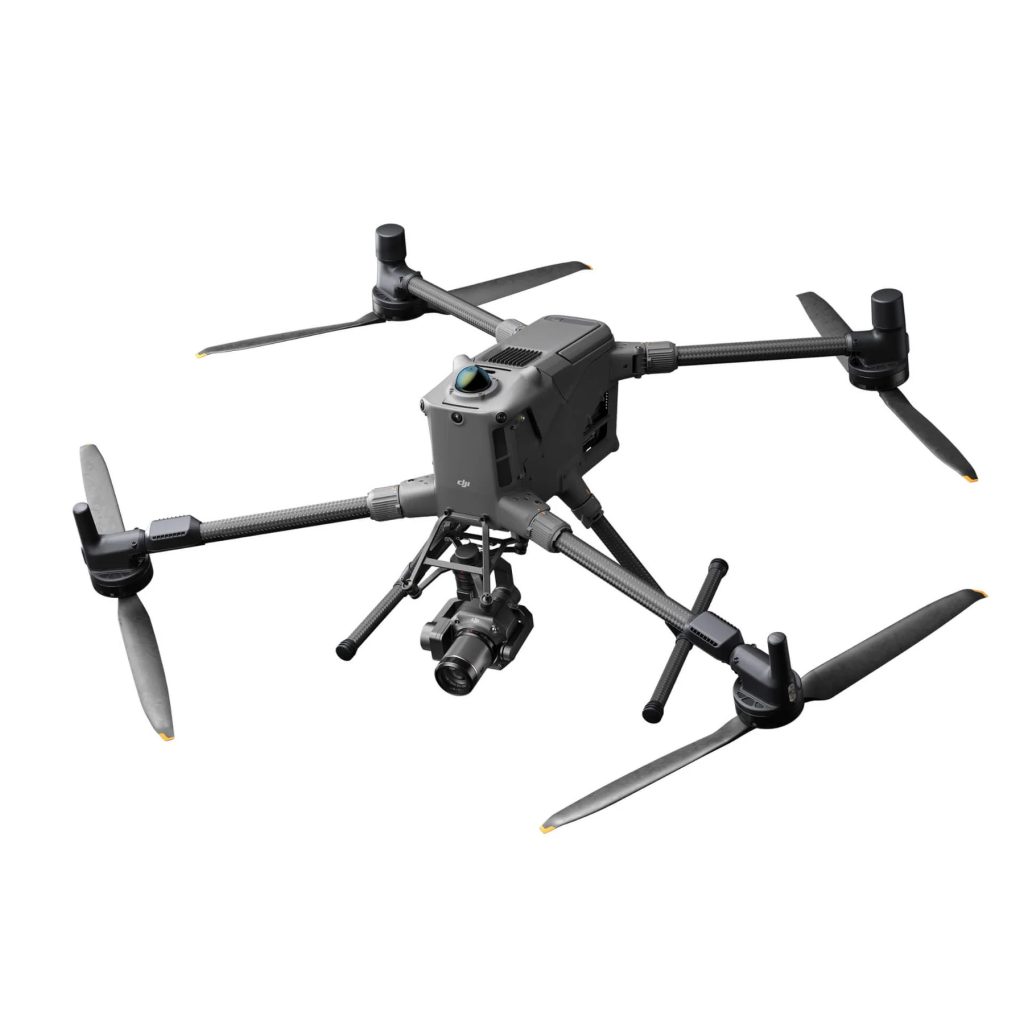
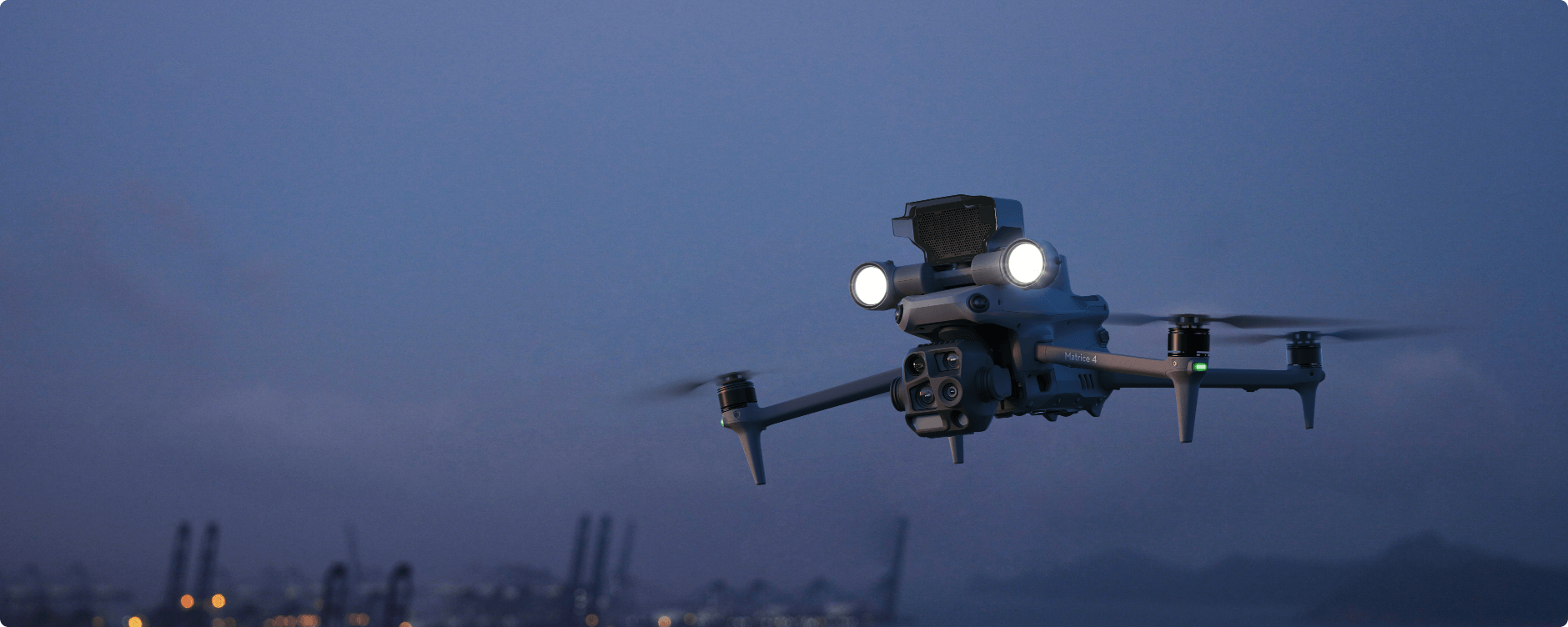
Designed for lower-risk, more built-up environments without needing a CAA Operational Authorisation. Well suited to qualifying UK2 or C2 class-marked drones, including some enterprise aircraft such as the DJI Matrice 4 series, where the aircraft’s class marking and operating conditions support Open A2 operations, enabling the reduced 30m separation rule and as low as 5m in low-speed mode. A2 operations allow flight closer to uninvolved people, but not overflight of uninvolved people. Completed entirely online with a theory exam, no in-person assessment required.
Operations Manual production and Operational Authorisation application training are UAS Operator responsibilities and are not part of the regulated RPC-L1 Remote Pilot competence course.
- Operational flexibility: fly closer to people than basic Flyer ID allows in the A3 sub-category
- No CAA Operational Authorisation needed for qualifying operations
- Online theory + exam format, complete at your own pace
- Cost-effective entry point for commercial operators
- Valid UK CAA Flyer ID also required to operate
The A2 CofC is for Open A2 Category operations only. If your work requires flying in the Specific Category, you will need an RPC-L1 Part A or GVC alongside a CAA Operational Authorisation.
Format
Online Course
Exam Type
Theory Exam
Validity
5 Years
Min Age
16+ recommended
No legal minimum
Category
Open A2 (VLOS Only)
Auth Needed
No
Best Suited For
- Entry-level commercial operators
- Content creators needing to fly near people
- Surveyors using UK2/C2 class marked drones (up to 4kg) or legacy drones under 2kg
- Anyone wanting more flexibility than A3 rules allow
Level 1 Remote Pilot Certificate Part A
The RPC-L1 Part A is the CAA’s current standard qualification for Specific Category VLOS drone operations. It is now the main route for professional Remote Pilots who need to work in the Specific Category. It supports applications for PDRA-01 and UK SORA-based Operational Authorisations, where the CAA requires this level of pilot competence.
Specific Category, VLOS Operations (Current Standard)
An important distinction to understand: RPC-L1 Part A = competence. Operational Authorisation = permission to fly. The certificate proves the pilot’s competence; the authorisation gives the operator legal permission to carry out the operation.
Training includes structured theory training, a multiple-choice theory exam, a minimum of 2 hours practical ground and flight instruction, and an approximately 1 hour flight assessment conducted by a CAA-approved assessor. Theory available in both online, self-paced and in-person classroom (2-day) formats. GVC holders are exempt from the theory exam but must still complete the theory training and full flight instruction and assessment.
- Enables both PDRA-01 and UK SORA-based Operational Authorisations
- The current standard route for professional commercial drone operations
- Required foundation for RPC-L1 Part B and RPC-L2 BVLOS operations
- Available online or as a classroom course
GVC holders can transition via the conversion course, theory exam exemption applies but theory training and flight instruction and assessment are still required.
GVC holders can transition via the conversion course, theory exam exemption applies but theory training and flight instruction and assessment are still required.
Format
Theory + Practical
Exam Type
Theory Exam + Flight Assessment
Validity
5 Years
Min Age
16+ recommended
No legal minimum
Category
Specific (VLOS only)
Auth Needed
Yes
PDRA-01 or UK SORA-based OA
Best Suited For
- Commercial drone operators entering the Specific Category
- GVC holders transitioning to the new standard framework
- Operators requiring UK SORA-based Operational Authorisations
- Pilots building toward BVLOS operations via Part B or RPC-L2
Level 1 Remote Pilot Certificate Part B
Specific Category, BVLOS VM (BVLOS Operations with Visual Observer Teams)
RPC-L1 Part B is an add-on to RPC-L1 Part A. It is for BVLOS operations where trained observers are used to help monitor the airspace. This is known as BVLOS with Visual Mitigation, or BVLOS VM. This is the structured entry point into BVLOS VM operations within the UK Specific Category and requires a UK SORA-based Operational Authorisation.
Part B involves additional BVLOS-specific theory on top of the Part A foundation, covering extended operational concepts, observer team coordination, and the additional risk considerations associated with BVLOS flight.
- Enables BVLOS operations using visual observer teams as mitigation
- Requires RPC-L1 Part A as a prerequisite
- UK SORA-based Operational Authorisation required
- Stepping stone toward RPC-L2 for more advanced BVLOS operations
RPC-L1 Part B covers BVLOS with visual observer mitigation only. Operations requiring no visual observer support, or in more complex airspace, require RPC-L2.
Format
Theory + Practical
Exam Type
Theory Exam + Flight Assessment
Validity
5 Years
Min Age
16+ recommended
No legal minimum
Category
Specific (BVLOS VM)
Auth Needed
Yes
UK SORA-based OA only
Best Suited For
- RPC-L1 Part A holders progressing to BVLOS VM operations
- Operators conducting extended range inspections or surveys with observer teams (previously known as EVLOS)
- Commercial pilots building toward RPC-L2 for full BVLOS
- Organisations establishing an initial BVLOS VM operating capability
General Visual Line of Sight Certificate
Specific Category, VLOS Operations (Legacy Route)
The GVC is the legacy Specific Category VLOS qualification. It remains relevant for existing Remote Pilots and UAS Operators where their current Operational Authorisation accepts the GVC as evidence of Remote Pilot competence. However, the CAA has moved to the RPC framework, and RPC-L1 is now the current standard route for new Specific Category Remote Pilot competence. Training involves online, self-paced or in-person classroom theory, development of an Operations Manual, and a practical flight assessment. No practical training, candidates move straight to the flight assessment.
- Enables Specific Category VLOS operations under a PDRA-01 OA only
- Cannot be used for UK SORA-based Operational Authorisations
- GVC to RPC-L1 Part A conversion course available, valid GVC holders are exempt from the RPC-L1 Part A theory exam
- Legacy route being phased out, but held across the industry as an established qualification
The GVC is a legacy route. New commercial operators are strongly encouraged to consider RPC-L1 Part A as the future-facing pathway, which unlocks both PDRA-01 and UK SORA-based Operational Authorisations.
Need to renew your GVC? View our GVC renewal course
Format
Theory + Ops Manual + Practical
Exam Type
Theory Exam + Flight Assessment
Validity
5 Years
Min Age
16+ recommended
No legal minimum
Category
Specific (VLOS only)
Auth Needed
Yes
PDRA-01 OA only
Best Suited For
- Existing Specific Category operators maintaining current qualifications
- Operators already working under a PDRA-01 Operational Authorisation
- Those transitioning to RPC-L1 Part A via the conversion course
- Commercial pilots on the legacy route seeking to upgrade
Flyer ID & Operator ID
Open Category, Mandatory Registration for Most Drone Operators
Before flying most drones in the UK, you must hold the correct registrations. The Flyer ID and Operator ID are not qualifications, they are CAA registrations that confirm you understand the basic rules and that your drone is legally registered for flight.
The Flyer ID proves you have passed the CAA’s free online theory test covering airspace rules, the drone code, safety, privacy, and insurance. Required for most drones over 100g and any camera-equipped drone from 100g upwards.
The Operator ID registers the person or organisation legally responsible for the drone. The same Operator ID covers multiple aircraft and must be visibly labelled on each qualifying drone. Registration costs £12.34 per year and requires the registrant to be 18 or over, a parent or guardian may register on behalf of an under-18.
- Flyer ID is free and completed online, valid for 5 years
- Operator ID costs £12.34/year, must be renewed annually
- Flyer ID required for most drones weighing 100g or more
- Operator ID required for most camera-equipped drones weighing 100g or more. Must be physically labelled on each aircraft
Flyer ID and Operator ID are required in addition to any other qualification. Holding an A2 CofC, RPC-L1, or GVC does not replace the need for valid registrations.
Format
Theory
Exam Type
Online Theory Test
Validity
Flyer ID: 5 Years
Operator ID: 1 Year
Min Age
18+ for Operator ID
No legal minimum for Flyer ID
Category
Open (A1 / A3)
Auth Needed
No
Best Suited For
- All drone operators as a mandatory first step
- Hobbyists flying recreationally
- Anyone operating drones over 100g
- Operators of camera-equipped drones regardless of weight
Level 2 Remote Pilot Certificate
Specific Category, BVLOS Operations within ARC-a Airspace
RPC-L2 is the CAA’s qualification for BVLOS operations in the Specific Category where the maximum air risk is ‘ARC-a’. ARC-a means low-risk airspace where no other air traffic is expected.
Entry Requirements (all must be met to enrol):
- Minimum age of 18
- Valid UK CAA Flyer ID
- Valid RPC-L1 certificate
- At least 50 logged flight hours in the Specific Category
Training includes BVLOS theory training, theory exam, at least 5 hours of BVLOS flight instruction, and a practical assessment comprising at least two BVLOS flights.
RPC-L2 is not permission to fly BVLOS. It is a Remote Pilot competence certificate for Specific Category BVLOS operations where the maximum air risk is ARC-a and the Operational Authorisation states RPC-L2 as the minimum Remote Pilot competence.
UK SORA provides the risk-based assessment method. RPC-L2 provides the matched Remote Pilot competence standard. The Operational Authorisation ties both to a specific operation and gives the UAS Operator permission to conduct it.
The UAS Operator must still hold the appropriate CAA Operational Authorisation before conducting BVLOS operations, and RPC-L2 does not permit intentional traffic deconfliction.
Certificate validity is 3 years, shorter than RPC-L1’s 5 years. To remain current, the Remote Pilot must have completed 2 hours of live flight within the last 90 days.
Format
Theory + Practical
Exam Type
Theory Exam + BVLOS Flight Assessment
Validity
3 Years
Min Age
18+ legal minimum
Category
Specific (BVLOS in ARC-a)
Auth Needed
Yes
UK SORA-based OA only
Best Suited For
- RPC-L1 holders with 50+ logged Specific Category flight hours
- Operators with a confirmed pipeline of BVLOS work within ARC-a
- Commercial Remote Pilots progressing toward advanced BVLOS operations
- Organisations planning BVLOS capability across multiple Remote Pilots
Qualification Comparison Table
Not sure which qualification matches your situation? Use this table to compare the main UK drone licensing options side by side.
| Qualification | Training Required | Category | Op. Auth Needed | Validity | Best For | |
|---|---|---|---|---|---|---|
| RPC-L1 Part A | Theory + practical instruction + flight assessment | Specific (VLOS) | PDRA-01 or UK SORA-based OA | 5 years | Commercial operators, future-facing pathway | View Course |
| RPC-L1 Part B | Part A + additional BVLOS theory and assessment | Specific (BVLOS VM) | UK SORA-based OA only | 5 years | BVLOS ops with visual observer teams | Coming Soon |
| A2 CofC | Online theory + exam | Open (A2) | No | 5 years | Entry-level commercial ops; UK2/C2 drones up to 4kg or legacy drones under 2kg | View Course |
| GVC | Online theory + operations manual + flight assessment | Specific (VLOS) | PDRA-01 OA only | 5 years | Existing Specific Category operators (legacy route) | View Course |
| Flyer ID + Operator ID | Online theory test + CAA registration | Open (A1 / A3) | No | 5yr / 1yr | Hobbyists, simple commercial ops | Learn more |
| RPC-L2 | RPC-L1 + 50hrs Specific Category + theoretical assessment + 5hrs flight instruction + practical BVLOS assessment | Specific (BVLOS/ARC-a) | UK SORA-based OA only | 3 Years | Advanced BVLOS operators within ARC-a airspace; no visual observer required | Coming Soon |
Key Flying Restrictions & Rules
Having your qualification is just the start. Every flight must comply with CAA rules on height, airspace, proximity to people, and more. These restrictions apply regardless of which qualification you hold.
01
120m / 400ft
Maximum Altitude
In the Open Category, drones must not be flown higher than 120 metres, approximately 400ft, above the surface unless a different limit applies through a CAA permission or authorisation.
02
VLOS Always
Visual Line of Sight
In the Open Category, the remote pilot must maintain direct unaided visual line of sight with the drone, so they can monitor its flight path and the surrounding airspace. Normal glasses and contact lenses are permitted. Binoculars, telescopes and FPV goggles do not replace unaided VLOS.
03
No-Fly Zones
Restricted Airspace
Flying near airports, airfields, heliports, or within Flight Restriction Zones (FRZs) is prohibited without specific permission. Temporary restrictions can also appear around emergencies, events, prisons, and protected sites — always check current NOTAMs before flying.
04
FPV Flying
FPV Drones
FPV (First Person View) flying does not remove the requirement for direct visual contact in the Open Category. You must have an observer standing next to you, with at least one of you maintaining direct unaided sight of the drone at all times.
05
Night Flying
Lighting Requirements
If flying at night in the Open or Specific Category, the aircraft must display a green flashing light. This helps distinguish the drone from manned aircraft and makes it visible in low-light conditions.
06
Remote ID
Remote Identification
Remote ID — Remote ID is now part of the UK drone framework. If you fly a UK1, UK2, or UK3 class drone or model aircraft, Remote ID must be switched on where required by the rules. Always check airspace yourself using current, authoritative sources.
Pre-Flight Checklist
Pre-flight checks help ensure safety, compliance, and mission success. A thorough check verifies that the drone, its components, and the environment are all flight-ready — and that you’re operating legally.
Legal, Privacy & Insurance
Drone regulation goes beyond just where you can fly. Privacy law, data protection, and insurance requirements all apply to UK drone operators — particularly those working commercially.
Privacy & Data Protection
When flying drones equipped with cameras or listening devices, operators must comply with privacy and data protection law. It is not simply a case of avoiding photos without consent.
You must use your drone in a way that respects other people’s privacy, especially in places where they would reasonably expect it — such as homes and gardens. Photos, video, and audio recordings may constitute personal data, which means UK GDPR and the Data Protection Act 2018 may apply to your operations.
If your drone operations involve surveillance or the routine collection of personal data, you may need to establish a lawful basis for processing that data and have a clear policy on how you store, use, and share it.
GDPR Note: Commercial operators systematically collecting personal data via drone cameras may need to register with the ICO and maintain a data processing record.
Insurance Requirements
If you fly a drone for recreation, sport, or as a hobby, insurance is currently optional but strongly recommended.
If you fly for any commercial or work-related reason, you must have third-party liability insurance as a minimum. This includes being paid to take photographs or video, carrying out surveys, using a drone on a farm or estate, providing delivery services, or using a drone in an educational setting.
Insurance covers damage and liability arising from drone operations, protecting you financially if something goes wrong. Ensure your policy is current, covers your specific operations, and is not invalidated by flying without the correct qualification or authorisation.
Legal Consequences: Violating British drone laws can lead to fines and, in the most serious cases, imprisonment. Endangering the safety of an aircraft carries severe penalties..
Step-By-Step Certification Process
1. Register Your Drone
Register with the CAA to obtain an Operator ID where required. This applies if you are responsible for a drone or model aircraft weighing 250g or more, or 100g or more with a camera. Your Operator ID must be clearly labelled on every qualifying drone or model aircraft. Registration costs £12.34 per year.
2. Get Your Flyer ID
Pass the CAA’s free online theory test to obtain your Flyer ID. This demonstrates your understanding of the drone code, airspace rules, and safety requirements. Required for most drones over 100g.
3. Choose the Right Qualification
Based on your intended operation: RPC-L1 Part A for the new standard Specific Category VLOS pathway, A2 CofC for Open Category near-people flying and GVC for legacy Specific Category.
6. Maintain & Renew
Keep qualifications current — RPC-L1, A2 CofC and GVC are valid for 5 years; Operator ID renews annually. Stay updated with evolving CAA requirements and the RPC framework transition timeline ahead of December 2027.
5. Apply for Operational Authorisation
For Specific Category operations, submit the required documentation and operational information to the CAA to obtain your Operational Authorisation (typically PDRA-01 for standard VLOS commercial work).
4. Complete Your Training
Enrol with a CAA-approved training provider like Coptrz. Complete the required theory modules, practical instruction, and formal assessments. Coptrz offers both online and in-person classroom formats.
Available Courses For RPC-L1, A2 Cofc And GVC
Get the skills you need to operate drones legally and effectively in the UK. Coptrz offers a range of accredited courses tailored to commercial drone operators, whether you’re starting with the RPC-L1 , A2 CofC or progressing to the GVC.
RPC-L1 Part A Online Drone Training Course
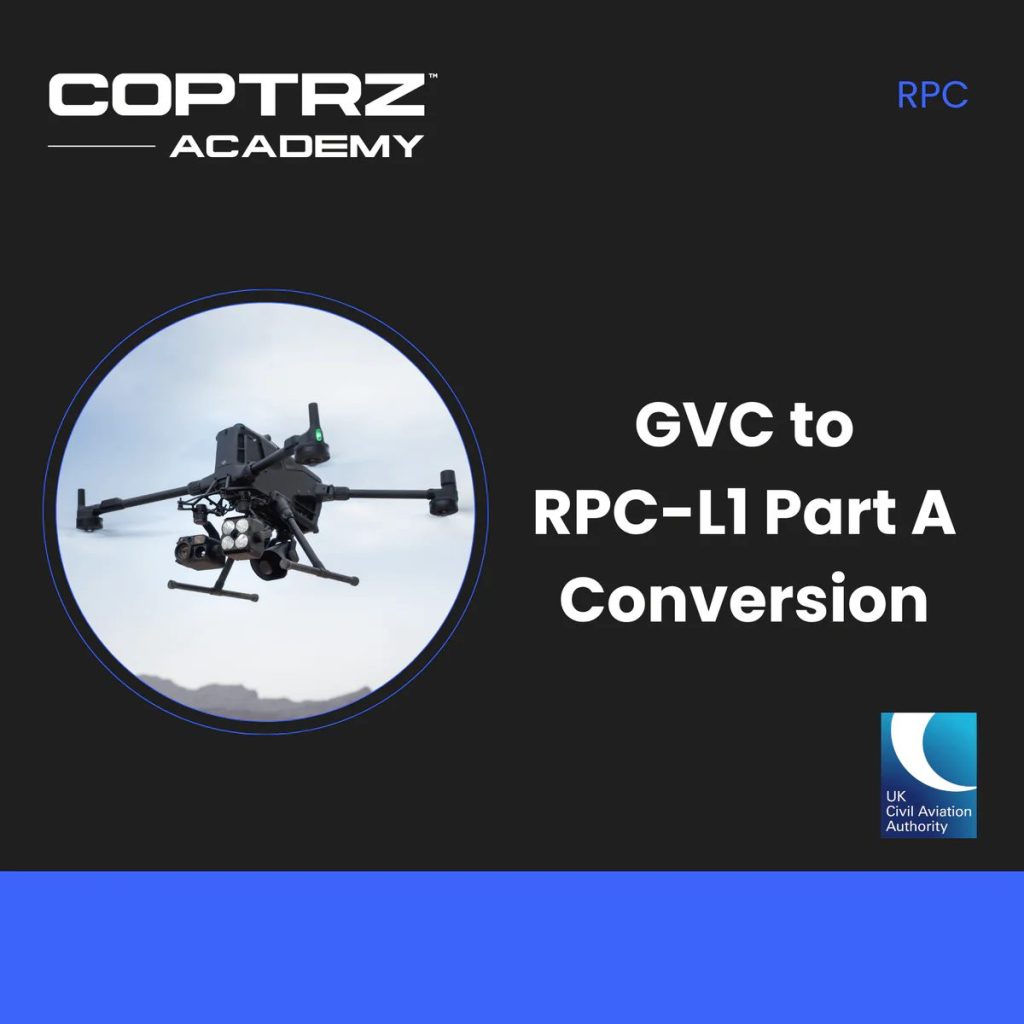
GVC To RPC-L1 Part A Conversion Drone Training Course
A2 CofC Online Drone Training Course
GVC Online Drone Training Course
Trusted Where Failure Is Not An Option

Nick Canham
Duncan Turner
Adam Carter
Emily B.

Frequently Asked Questions
Not everyone needs a formal qualification, but most drone pilots will need to register with the Civil Aviation Authority (CAA) before flying. Whether you need additional qualifications depends on your drone’s weight, whether it has a camera, and how you intend to use it.
If your drone weighs 250g or more, or is camera-equipped and weighs 100g or more, you must hold a valid Operator ID and Flyer ID before flying. These are free or low-cost CAA registrations, not qualifications.
If you’re flying commercially or in more complex environments — near people, in controlled airspace, or beyond visual line of sight — you’ll likely need a further qualification such as an A2 CofC, RPC-L1, or GVC, alongside a CAA Operational Authorisation for Specific Category operations.
The cost depends on which qualification or registration you need:
- Flyer ID — Free. Completed online via the CAA.
- Operator ID — £12.34 per year. Renewed annually via the CAA.
- A2 CofC — Typically £150–£250 depending on the provider. Online theory and exam only, no practical assessment required.
- RPC-L1 Part A — Typically £400–£700 depending on whether you choose online or in-person classroom format. Includes theory training, theory exam, practical flight instruction, and a formal flight assessment.
- GVC — Typically £400–£650. Includes theory, operations manual development, and a practical flight assessment.
Prices vary between CAA-approved training providers. Coptrz offers both online and in-person classroom formats for RPC-L1 and GVC — view our courses for current pricing.
These are two separate CAA registrations that cover different things — many drone pilots need both.
A Flyer ID confirms that you’ve passed the CAA’s free online theory test and understand the basic rules for flying safely and legally. It’s required for most drones weighing 100g or more. The test covers the drone code, airspace rules, safety, privacy, and insurance. It’s free and valid for 5 years.
An Operator ID registers the person or organisation legally responsible for the drone. The same Operator ID can cover multiple aircraft and must be visibly labelled on each qualifying drone. It costs £12.34 per year, must be renewed annually, and requires the registrant to be 18 or over (a parent or guardian can register on behalf of an under-18).
Importantly, holding an A2 CofC, RPC-L1, or GVC does not replace the need for valid Flyer ID and Operator ID registrations — you need both alongside any qualification.
Both the GVC and RPC-L1 Part A are qualifications for Specific Category VLOS drone operations, but the RPC-L1 is the CAA’s current standard and the GVC is a legacy route being phased out.
The key practical differences are:
- Scope of Operational Authorisation: RPC-L1 Part A supports both PDRA-01 and UK SORA-based Operational Authorisations. The GVC only supports PDRA-01 — it cannot be used for UK SORA-based operations.
- Future proofing: The CAA has confirmed GVC will stop being issued on 31st December 2027. Existing GVCs may continue to be accepted after that date only where the Operational Authorisation specifically states GVC is acceptable.
- Pathway to BVLOS: RPC-L1 Part A is the required foundation for RPC-L1 Part B and RPC-L2 BVLOS qualifications. The GVC offers no equivalent progression route.
If you currently hold a GVC, a conversion course is available. GVC holders are exempt from the RPC-L1 Part A theory exam but must still complete theory training and the full flight instruction and assessment.
Renewal requirements depend on which qualification or registration you hold:
- Flyer ID — Valid for 5 years. Renew by retaking the free CAA online theory test before it expires.
- Operator ID — Valid for 1 year. Renewed annually via the CAA website for £12.34.
- A2 CofC — Valid for 5 years. A renewal course is available and recommended to ensure you’re up to date with any regulatory changes before requalifying.
- RPC-L1 Part A — Valid for 5 years. Renewal requirements are set by the CAA — check your certificate expiry date and contact a CAA-approved training provider ahead of expiry.
- GVC — Valid for 5 years. A renewal course is available, though given the December 2027 phase-out, many GVC holders are choosing to convert to RPC-L1 Part A rather than renew. The conversion course includes a theory exam exemption for valid GVC holders.
Coptrz offers renewal courses for both A2 CofC and GVC — view our courses.
Where you can fly depends on your qualification, your drone, and the environment. In the Open Category, drones must stay below 120 metres (400ft) and within Visual Line of Sight at all times.
There are several areas where flying is restricted or prohibited without specific permission:
- Flight Restriction Zones (FRZs) around airports, airfields, and heliports — always check before flying near any aviation infrastructure.
- Temporary flight restrictions around emergencies, major events, prisons, and protected sites — check current NOTAMs before every flight.
- Over or near people — depends on your drone class and qualification. A2 CofC allows closer proximity to people than basic Open Category rules; Specific Category operations may require a CAA Operational Authorisation.
Regarding private property: there is no specific law preventing you from flying over private land from a legal take-off point, but you must comply with privacy law, avoid creating a nuisance, and never fly in a way that endangers people or property. Always use the CAA’s Drone Assist app or an equivalent tool to check airspace restrictions before flying.
BVLOS stands for Beyond Visual Line of Sight — flying a drone beyond the point where the remote pilot can maintain direct unaided visual contact with the aircraft. This is more complex and higher risk than standard VLOS operations and requires additional qualifications and a CAA Operational Authorisation.
There are two BVLOS qualification routes within the UK Specific Category:
- RPC-L1 Part B — For BVLOS operations using trained visual observer teams as mitigation (BVLOS VM). Requires RPC-L1 Part A as a prerequisite and a UK SORA-based Operational Authorisation.
- RPC-L2 — For BVLOS operations in ARC-a airspace (low air traffic risk) without visual observer support. Requires RPC-L1, a minimum of 50 logged Specific Category flight hours, additional theory training, and a practical BVLOS flight assessment. Minimum age 18.
Standard VLOS qualifications (A2 CofC, RPC-L1 Part A, GVC) do not permit BVLOS operations. A separate Operational Authorisation from the CAA is always required before conducting any BVLOS flight.
There is no specific UK law that automatically prohibits flying a drone over private land, provided you take off and land from a location where you have permission to do so. However, several other legal considerations apply.
You must comply with UK privacy law — if your drone is equipped with a camera and you are filming or photographing people on private property without their knowledge or consent, this may constitute a breach of privacy or data protection law under the UK GDPR and the Data Protection Act 2018.
You must also avoid flying in a way that causes harassment, alarm, or distress, and must not endanger people or property. Landowners cannot simply demand you stop flying over their land, but if your operation is deemed to be a nuisance or invasion of privacy, you may face a civil claim.
In all cases, flying responsibly, at safe distances, and with appropriate insurance is strongly recommended — particularly for any commercial operation.
Need Help Choosing The Right Drone Qualification?
Whether you’re starting with A2 CofC or transitioning toward RPC-L1, our team can help you choose the right pathway.
Accreditations
Recognised for excellence. Explore the industry certifications that validate our commitment to quality, compliance, and continuous improvement.
ISO 9001 Certified
Certified quality management systems for consistent service and customer satisfaction.
ISO 14001 Certified
Internationally recognised standard for environmental management and commitment to sustainable operations.
Cyber Essentials & Cyber Essential Plus
Government-backed certification demonstrating the highest level of commitment to robust cyber security.
The Equality Register Member
Committed to promoting equality, diversity, and inclusive practices across our entire organisation.
TQUK Recognised Centre
An officially recognised centre for Training Qualifications UK, delivering high-standard regulated qualifications
Registered with Elcas
Approved by the Enhanced Learning Credits Administration Service to provide funded training for Armed Forces personnel.
UK CAA Recognised Assessment Entity: RAE15510
CAA-approved to deliver drone training and assessment for RPC-L1, GVC and A2 CofC qualifications.
FCA Registered
Authorised and regulated by the FCA for consumer finance activities.
UK SORA & BVLOS Operations: SORA-28947, SORA-29134
Helping organisations obtain Operational Authorisations for BVLOS and other complex drone operations using the UK SORA framework.

Ofqual Regulated Training
Delivering prestigious, government-regulated training programmes that guarantee educational excellence and industry recognition.