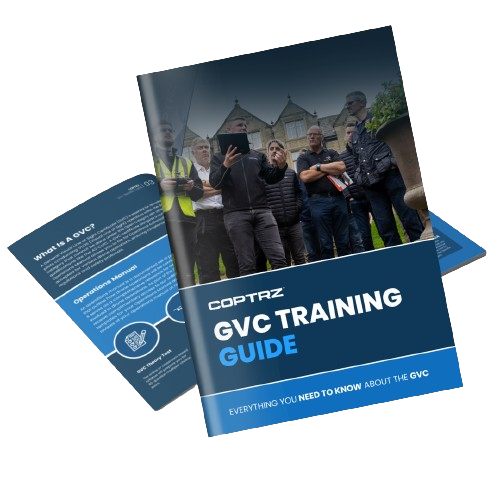
If your drone training plan is “send the next pilot on a course when we need them”, you do not have a training plan.
RPC-L1 training should not be managed as a one-off purchase. For a serious drone operation, it should be part of a structured training plan that connects pilots, Operational Authorisations, aircraft, record keeping and future capability.
The CAA’s framework is not built around vague claims of being “qualified”. It is built around specific competency requirements. The CAA says every Specific Category Operational Authorisation sets out the level of remote pilot competency required, and may also include additional requirements.
That means the smart question is not “who needs a course?” It is “what competence does the operation need, by when, and how will we prove it?”
Start with the operation, not the pilot
Most organisations start in the wrong place. They list pilots, then ask who needs training.
Start with the operation.
Ask:
- What missions do we currently fly?
- Are they Open Category or Specific Category?
- Which Operational Authorisations apply?
- What minimum remote pilot competence is required?
- Which aircraft categories are used?
- Which pilots are assigned to which operations?
This gives you a training requirement based on operational need, not guesswork.

Build a pilot competence matrix
Create a simple matrix with:
- Pilot name
- Current certificate
- Certificate expiry date
- Flyer ID status
- Aircraft category
- Last 90 days flight activity
- Operational Authorisations they fly under
- Future progression requirement
- Notes on aircraft-specific training
This immediately shows where the gaps are.
It also gives you a defensible internal record if a client, insurer or regulator asks how competence is managed.
Decide who needs RPC-L1 Part A now
RPC-L1 Part A is the logical route for pilots who need Specific Category VLOS competence under the current framework.
Prioritise:
- Pilots actively delivering commercial work.
- Pilots named in Operational Authorisation processes.
- New pilots entering the business.
- Pilots currently relying on GVC who need a future route.
- Pilots likely to progress into RPC-L1 Part B or RPC-L2.
Do not wait until a tender, renewal or client audit forces the issue.
Plan for GVC transition
The CAA confirms that the GVC will stop being issued on 31 December 2027. Existing GVCs can still be accepted until expiry if the Operational Authorisation clearly states that a GVC is acceptable evidence of competence.
That creates a planning window, not a panic point.
For each GVC holder, record:
- Certificate expiry date
- Current operational use
- Whether their OA accepts GVC
- Whether they need RPC-L1 conversion
- Whether they are a candidate for higher RPC levels
This avoids a late 2027 bottleneck.
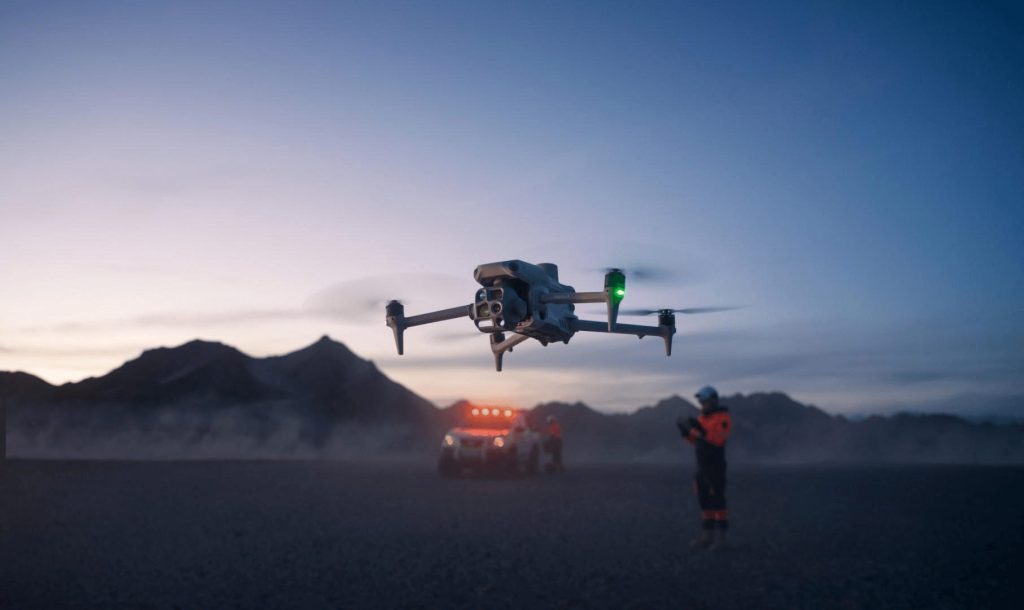
Link training to future capability
A good RPC-L1 training plan looks beyond today’s VLOS work.
The CAA describes RPC certificates as supporting a progressive pathway from VLOS operations through to increasingly complex BVLOS operations. RPC-L1 Part B covers BVLOS with Visual Mitigations, while RPC-L2 is for BVLOS operations in ARC-a where no other air traffic is expected.
If your business is considering inspection corridors, infrastructure monitoring, docked drone operations or BVLOS-relevant concepts, your training plan needs to account for progression early.
Build evidence into the plan
Training is not complete when the certificate is issued. It is complete when the organisation can evidence who is competent, current and authorised for the work.
The CAA’s PDRA01 Operations Manual guidance includes qualification, role training, currency and competency, plus logs and records.
Your plan should define:
- Where certificates are stored
- Who tracks expiry dates
- How flight currency is recorded
- How role training is logged
- How aircraft-specific training is evidenced
- How records are retrieved for audits or tenders
Make one person accountable
Someone must own the competence picture.
This does not have to be the most technical pilot. It should be someone with authority to maintain the training matrix, coordinate renewals and escalate gaps before they become operational risks.
In many organisations, that sits with the Accountable Manager, Head of Operations, Safety Manager or Training Manager.

What Coptrz can support
Coptrz can support:
- RPC-L1 Part A training
- GVC to RPC-L1 conversion
- Team training planning
- Practical flight instruction and assessment
- Progression conversations into Part B, RPC-L2 and beyond
- Operational Authorisation and PDRA01 support
For teams, the value is not just course delivery. It is helping build a training pathway that matches the organisation’s real operating model.
FAQs
Enough to avoid single points of failure. If only one pilot holds the right competence, sickness, holiday or resignation can halt operations.
Not always. Start with expiry dates, operational need and future progression. Existing GVCs can still be accepted until expiry where the OA clearly allows it.
In most professional Specific Category VLOS contexts, yes. It aligns with the framework the CAA is now using.
No. The CAA says operators must ensure pilots have appropriate operational and UAS-specific training as well as the appropriate certificate.
A named operational or safety lead should own it, with visibility at leadership level.
If your team needs more than one trained pilot, do not buy RPC-L1 training reactively. Coptrz can help you map your pilot group, identify gaps and build a practical RPC-L1 training plan that supports safe, compliant and scalable operations.
Author bio:
Simon Harris is Managing Director of Coptrz, supporting UK organisations with drone training, compliance and operational capability.
Download Our FREE RPC-L1 Guide
Understand everything you need to know about moving towards commercial drone operations with our RPC-L1 guide.
- Understand what RPC-L1 is and who it is for
- Learn how the CAA transition impacts operators and training routes
- Get a clear breakdown of requirements, costs and next steps
Related Posts

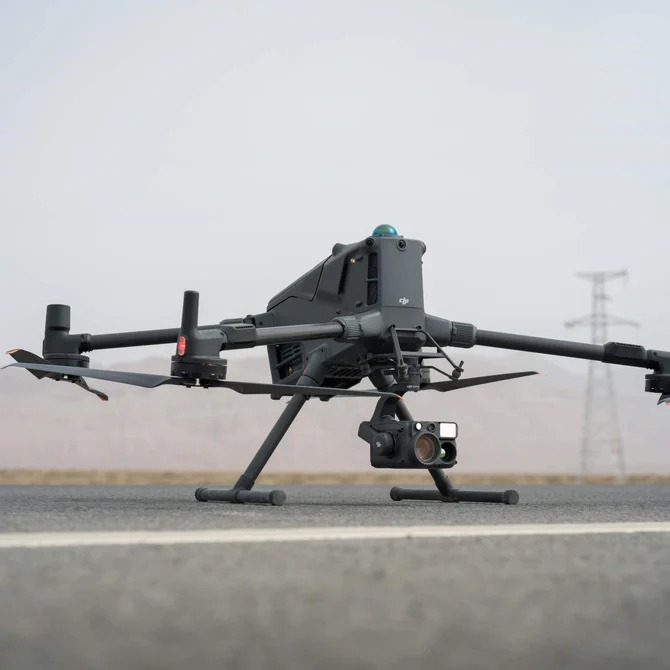
Choosing a Drone for Commercial Applications
Drones are one of the most rapidly advancing technologies which are currently disrupting industries across the world. There are hundreds of drone manufacturers vying for business across the leisure and commercial market, with household names such as Parrot and Go-Pro now getting in on the act. But how do you go about choosing a drone […]

The State of UAVs in the UK, Part 2 – Stadiums
Anyone who has ever been to a stadium to watch a football match or their favourite band must have wondered what would happen if there was a sudden cause for panic. For a stadium manager, this is a nightmare scenario which keeps them awake at night. There is an endless list of situations which could […]

Farmland crop damage assessment with Pix4Dfields
Crop monitoring and damage assessment with accurate field data helps improve crop production in affected areas and prevents yield loss. Crop damage directly impacts food security, nutrition, livelihoods, and national economies. Climate change and extreme weather conditions have greatly impacted farmers and crop production. What is needed now more than ever is easy access to […]