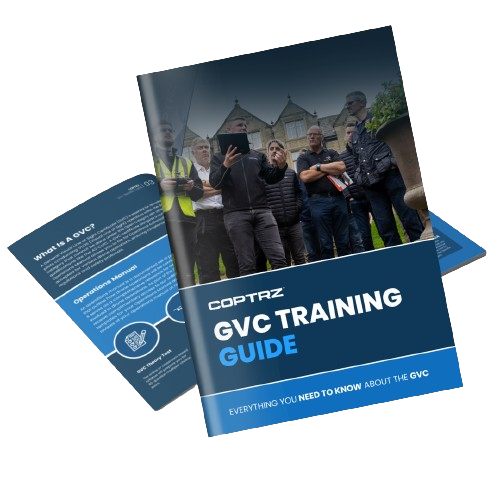
What UK Drone Operators Should Do About GVC and RPC-L1 Before 31 December 2027
The GVC versus RPC-L1 decision is usually framed badly, as if one certificate is old and the other is new and the choice is obvious. The CAA’s actual position is more measured than that. This article sets out what has genuinely changed, what existing GVC holders should do, what new entrants should pick, and how to turn the 31 December 2027 cut-off into a planning date rather than a deadline scare.
What the CAA Actually Says About GVC vs RPC-L1
The CAA’s published position is that the GVC and RPC-L1 are broadly similar in the level of competency needed to attain them. It is also clear that the GVC will stop being issued to new applicants on 31 December 2027, after which only RPC-L1, RPC-L2 and RPC-L3 will be available as routes into Specific Category remote pilot competence.
That matters because the framing in the market is often sharper than the CAA’s own language. GVC holders are not being told that their competence is now inferior. They are being told that the regulator is consolidating a staged, risk-matched model around the RPC certificates, and that the GVC will eventually exit issuance as part of that consolidation.
What Has Actually Changed in the Framework
The bigger change is not the certificate label. It is the surrounding framework. In early 2025 the CAA introduced the Level 1, 2, 3 and 4 Remote Pilot Certificates. In March 2025 the RAE(PC) scheme replaced the old RAE scheme, changing how training and assessment providers are recognised. On 23 April 2025 UK SORA went live, bringing a more transparent and consistent approach to risk assessments for unmanned aircraft operations, including BVLOS.
Read together, those three steps show that the market is moving from a GVC-era operating mindset into a broader risk-based system. RPC-L1 is the baseline inside that system. GVC remains valid, but it is a legacy tier with a defined wind-down.

What Existing GVC Holders Should Not Assume
Two bad assumptions cause most of the confusion in the market.
The first is the panic assumption that the GVC is suddenly useless. That is not what the CAA says. Existing GVC certificates can still be accepted until they expire, provided the Operational Authorisation expressly states that a GVC is acceptable evidence of competence. Pilots with an in-date GVC supporting active Operational Authorisations do not need to stop operating on 1 January 2026.
The second is the opposite mistake, which is assuming RPC-L1 can be ignored until late 2027. That is weaker planning than it looks. New GVC issuance stops on 31 December 2027, which means any pilot recruited, returned from absence, or brought into the operation after that date will need to come in via the RPC route. Operations that rely on a steady pipeline of qualified pilots need to be building RPC-L1 capacity now.
The Sensible Way to Frame the Decision
For a new entrant, the decision is simple. Start on RPC-L1. It is the framework the market is consolidating around, the validity window is longer at five years, and it opens the door to a structured progression into RPC-L2 and beyond.
For an existing GVC holder, the right question is more strategic. Are you only preserving current VLOS capability until your certificate expires, or are you building a pilot team that can progress into RPC-L2, ARC-a BVLOS operations and more advanced work over the next few years? If the answer is the latter, an early move into the RPC route is not about compliance panic. It is about aligning your team to the model the regulator is pushing forward.
Coptrz’s GVC to RPC-L1 conversion material is useful here because it frames the transition as securing long-term compliance rather than reacting to a deadline. It also explains that valid GVC holders moving into the RPC-L1 route do not need to re-sit the RPC-L1 theory exam, while still completing the required instruction and assessment pathway.

Building a Realistic 24 Month Transition Plan
A realistic plan starts with a basic audit. Map every pilot in your operation against four data points: current certificate, expiry date, logged currency in the last 90 days, and the Operational Authorisations they fly under.
From that audit, three groups usually emerge. Pilots with a GVC that expires well before 31 December 2027 can plan a clean move into RPC-L1 at renewal. Pilots whose GVC expiry falls after the cut-off need a conversion plan, because the GVC will effectively be the last one they hold. New or returning pilots should be routed directly into RPC-L1 from the start, to avoid adding legacy certificates to your team in the final two years of GVC issuance.
That kind of audit turns the transition from a vague deadline into a manageable training programme.
FAQs
Yes, in a controlled way. The CAA has confirmed that new GVC issuance will end on 31 December 2027. Existing GVCs remain valid until they expire, and the CAA has said they can still be accepted where the Operational Authorisation expressly states that a GVC is acceptable evidence of remote pilot competence.
Yes. GVC courses are still available through approved training providers up to the 31 December 2027 cut-off. Most operators building a new pilot into their team now choose RPC-L1 instead, because it sits inside the framework the CAA is consolidating around and has a five-year validity.
You are not forced to convert while your GVC remains in date and your Operational Authorisation accepts it. Conversion becomes more pressing if your GVC expiry sits close to or beyond 31 December 2027, or if you want to move into RPC-L2 and more advanced operations, where RPC-L1 is the required entry point.
For now, yes. The CAA has said existing GVCs can continue to be accepted until they expire, where the Operational Authorisation expressly states a GVC is acceptable evidence of competence. Operators should still review the wording of each authorisation and plan pilot competence around the RPC route for renewals.
Final Thoughts
The real answer to GVC versus RPC-L1 is not about which label sounds newer. It is about which route fits the direction of your operation. If you are planning to stay commercially credible in the Specific Category for the next several years, the transition question is not whether the market is moving. It is whether your training plan, pilot roster and Operational Authorisations are moving with it.
If you want help auditing your team, planning a phased GVC to RPC-L1 transition, or mapping pilot competence to upcoming operations, contact the Coptrz team at [email protected] or on 0330 111 7177.
Download Our FREE RPC-L1 Guide
Understand everything you need to know about moving towards commercial drone operations with our RPC-L1 guide.
- Understand what RPC-L1 is and who it is for
- Learn how the CAA transition impacts operators and training routes
- Get a clear breakdown of requirements, costs and next steps
Related Posts

5 Great Applications For The Elios 2 Inspection Drone
In this article we’ve rounded up 5 great applications for the Elios 2 Inspection Drone across various sectors. We’ve got great videos, great imagery, great use cases and quotes straight from the field. If you’re thinking about adopting the Elios 2 Inspection Drone into your operations then this article is a great place to enhance […]
Parrot Brings 4G To Drones with ANAFI Ai
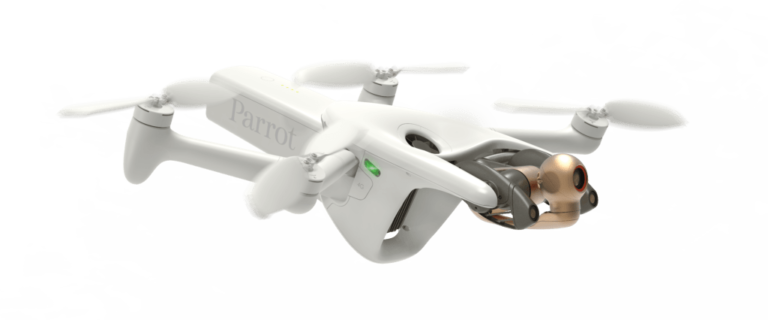
Introducing the Parrot ANAFI Ai On December 9th, French drone manufacturer Parrot unveiled its new ANAFI Ai would be available for delivery in January. This under-900 gram vehicle’s key features include 4G connectivity, a tremendous camera, object avoidance and enhanced cyber security. The ANAFI Ai is set to be a game changer for the inspection […]

A Comparison: DJI Zenmuse H20 and DJI H30 Inspection Payloads
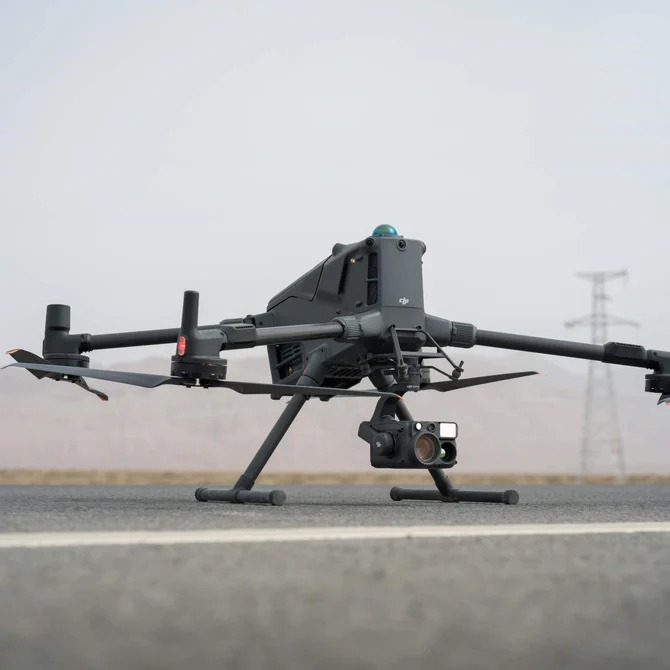
The DJI Zenmuse H20 series has been a staple in UAV inspections, but the newly released DJI Zenmuse H30 series promises to take capabilities and performance to the next level. Commercial drone technology continues to advance, offering ever more powerful tools for industry professionals, particularly in inspection services. Overview DJI Zenmuse H30 The DJI H30 […]