Ever since drones first came about, criminals have been finding ever-more creative ways to utilise drones for illegal purposes. However, local security experts have not simply sat back and watched while this trend continues.
Instead, a number of creative solutions have been developed to help detect drones early on and reduce potential risks to both businesses and civilians. Here’s a look at the 7 key components of modern drone detection systems.
1. Radar detection
Radar detection does exist for drones, however, it is one of the least effective forms of spotting them. Traditional aircraft radars are suitable for picking up larger vehicles travelling through standard flight paths.
However, due to the size of drones and their ability to fly at such low heights, it can be difficult to pick them up through radar. In fact, in 2015, a drone famously crashed into the White House lawn. All radars had failed to detect it and it was only through sight that it was spotted.
2. Video detection
Again, video detection is not one of the most effective drone detection systems. This is because a variety of factors, such as weather and seasonality, can make it hard for videos to detect low-flying drones. However, it does have its uses.
Namely, video detection is useful for recording incidents in which drones were spotted and then reviewing the footage later. This allows for the ability to enhance other forms of anti-drone technology.

3. Geofencing
Geofencing is proving to be an increasingly popular form of anti-drone technology, particularly in places like prisons and airfields. It works by creating an invisible barrier around a site through a combination of LRFID (Local Radio Frequency Identifier) add GPS network connections such as Wi-Fi and Bluetooth.
Then, once a drone crosses that fence, the site owner will be notified. To help improve this technology and make it more effective, many drone manufacturers are now starting to build in geofencing alerts into their drones. Then, if a pilot flies their drone into a restricted airspace, they will be notified immediately.
4. Radio Frequency Technology
Drones can become potentially dangerous if a hacker attempt to take control of someone else’s drone. However, there are ways to help prevent this from happening. This involves the use of RFID chips.
Radio frequencies are used to keep a drone’s receivers and transmitters connected. RFIDs work by preventing anyone else on the same frequency from taking control of the drone.
5. Audio Detection
Audio detection is another form of anti-drone technology that has seen vast improvement in recent years. The technology has been found to work well in quieter urban areas and can pick up on the very specific whirring sound made by drones.
This detection system allows them to spot drones with an accuracy of up to around 500 feet. However, if the drones are entering an airspace that suffers from significant noise pollution, then identifying the drones can be extremely difficult.

6. Jammers
As mentioned already, drones use radio frequencies to emit information and operate effectively. Jammers have the ability to disrupt this control. They do this by blasting out electromagnetic noise. In a sense, they halt any communication between the drone and the pilot.
Drone jammers are effective as they usually work on either 5.8Ghz or 2.4Ghz which are the public frequencies used by drones. This means they won’t interfere with any larger, more important aircraft. Jammers can be either mobile devices or larger built-in pieces of equipment.
7. Thermal Detectors
Again thermal detection is one form of anti-drone technology that is not suited to all environments. Thermal detection can be highly useful if used in remote regions. Protecting a power plant surrounded by land is a perfect example.
If a drone is spotted within the vicinity of such a facility, then security personnel can use their own drone, equipped with thermal detection technology, to track down the drone’s operator. However, if a facility is located in a busy urban environment, then thermal detection is far less effective at finding the suspect.
Here at Coptrz, we’re commercial drone experts. We understand the ins and outs of how drones work and what businesses need to be doing in order to help shore up their systems and protect against any risks from drones.
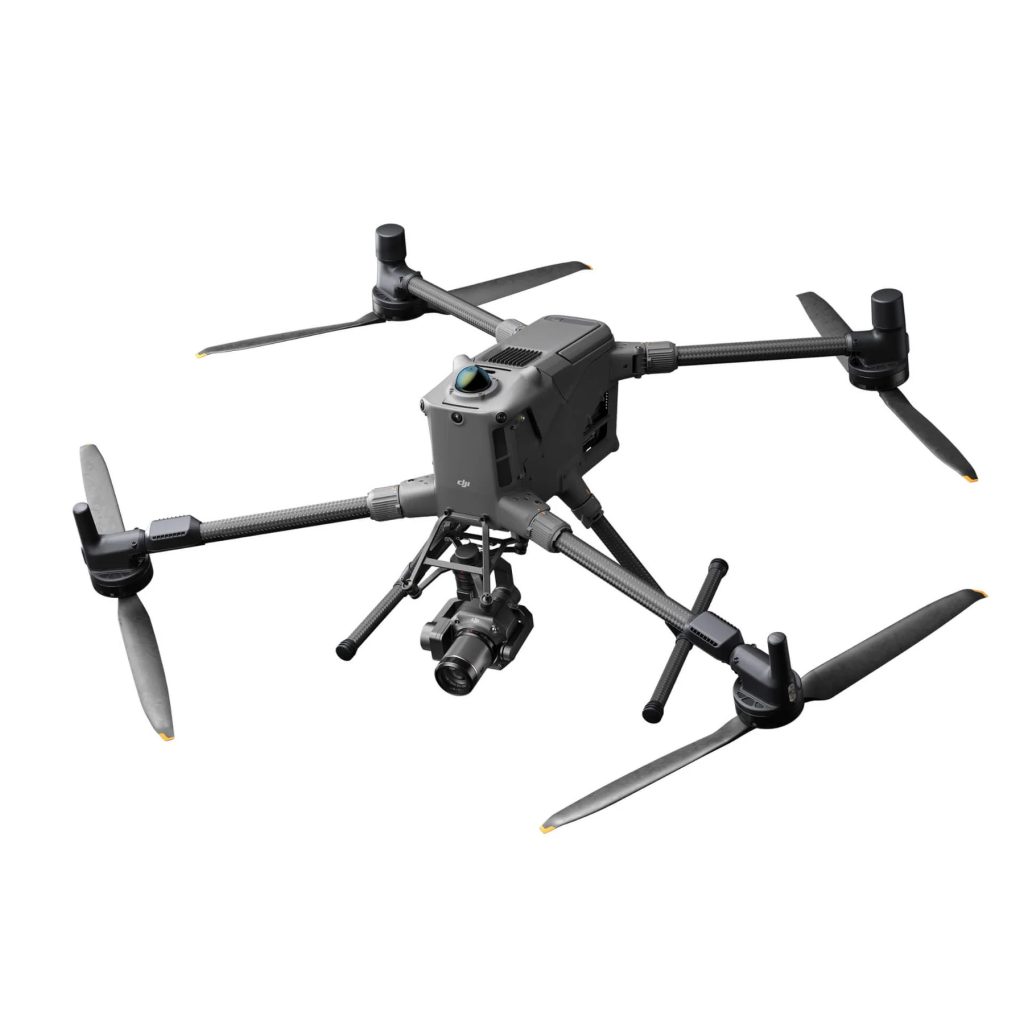
In particular, we are helping more businesses to make use of the DJI Aeroscope to help detect any risks early on and act accordingly. You can find out more by contacting our team today.
Read more of our drone detection blogs:
- AeroScope thwarts illegal drone activity at G20 summit
- Drones vs Planes: A Midair Tragedy Waiting to Happen
- Why planning ahead for concert aerial attacks is crucial
- Illegal drone use sparks safety concerns at UK landmarks
Download Our FREE RPC-L1 Guide
Understand everything you need to know about moving towards commercial drone operations with our RPC-L1 guide.
- Understand what RPC-L1 is and who it is for
- Learn how the CAA transition impacts operators and training routes
- Get a clear breakdown of requirements, costs and next steps
Related Posts

An Eye in the Sky for Smarter, Safer Roads
In an innovative step toward addressing traffic congestion and enhancing road safety, Transport for West Midlands (TfWM) has turned to drones to revolutionize traffic monitoring. By providing live aerial views of the region’s roads, drones are enabling quicker responses to incidents and smarter traffic management decisions, all while enhancing the capabilities of existing static CCTV […]

COPTRZ announce 68% increase in PfCO courses for 2019
NQE CAA Training providers COPTRZ has announced a record 68% increase in course dates in January to June next year in the United Kingdom. The courses take place across the country in 12 different locations across England, Wales, Scotland and Northern Ireland. View locations and dates PWC recently released a report stating that the drone […]
COPTRZ Receives CPD Accreditation for Drone Training Courses
COPTRZ has today announced that its CAA PfCO drone training course has received official Continuing Professional Development (CPD) accreditation from the CPD Development Service. The course, which trains drone operators to attain their Permission for Commercial Operations (PfCO), is already approved by the Civil Aviation Authority and recognised as the pre-eminent learning programme for aspiring […]