In the realm of environmental monitoring, the detection of methane emissions has traditionally been a labor-intensive and time-consuming process.
Conventional methods often involve ground-based inspections or manned aircraft, both of which can be costly, hazardous, and limited in accessibility.
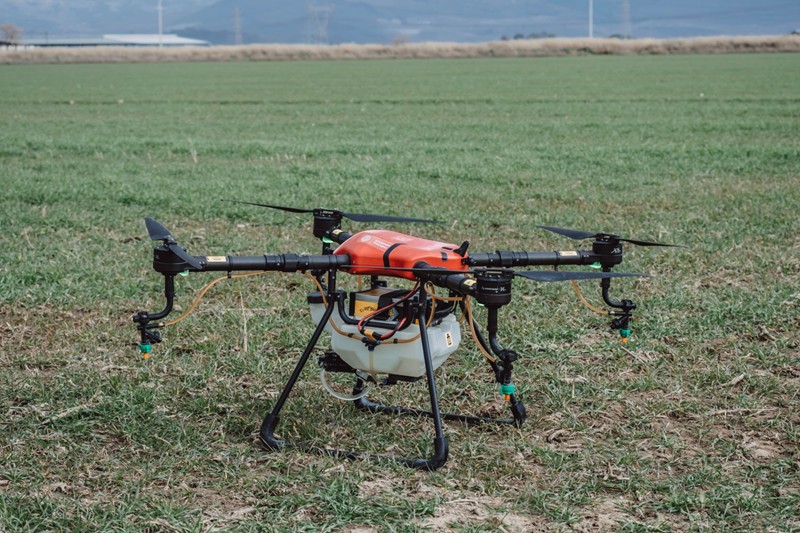
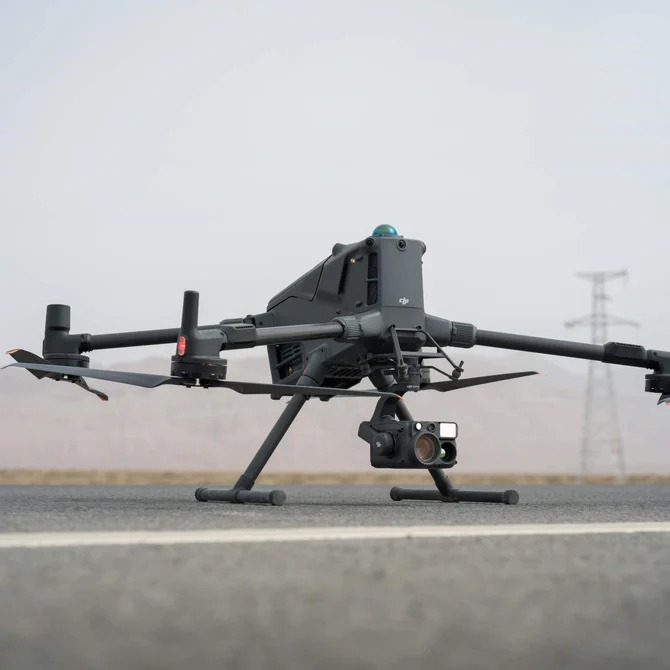
Enter drone-based methane detection, a transformative approach that leverages advanced technology to overcome these challenges.
The Technology Behind Drone-Based Methane Detection
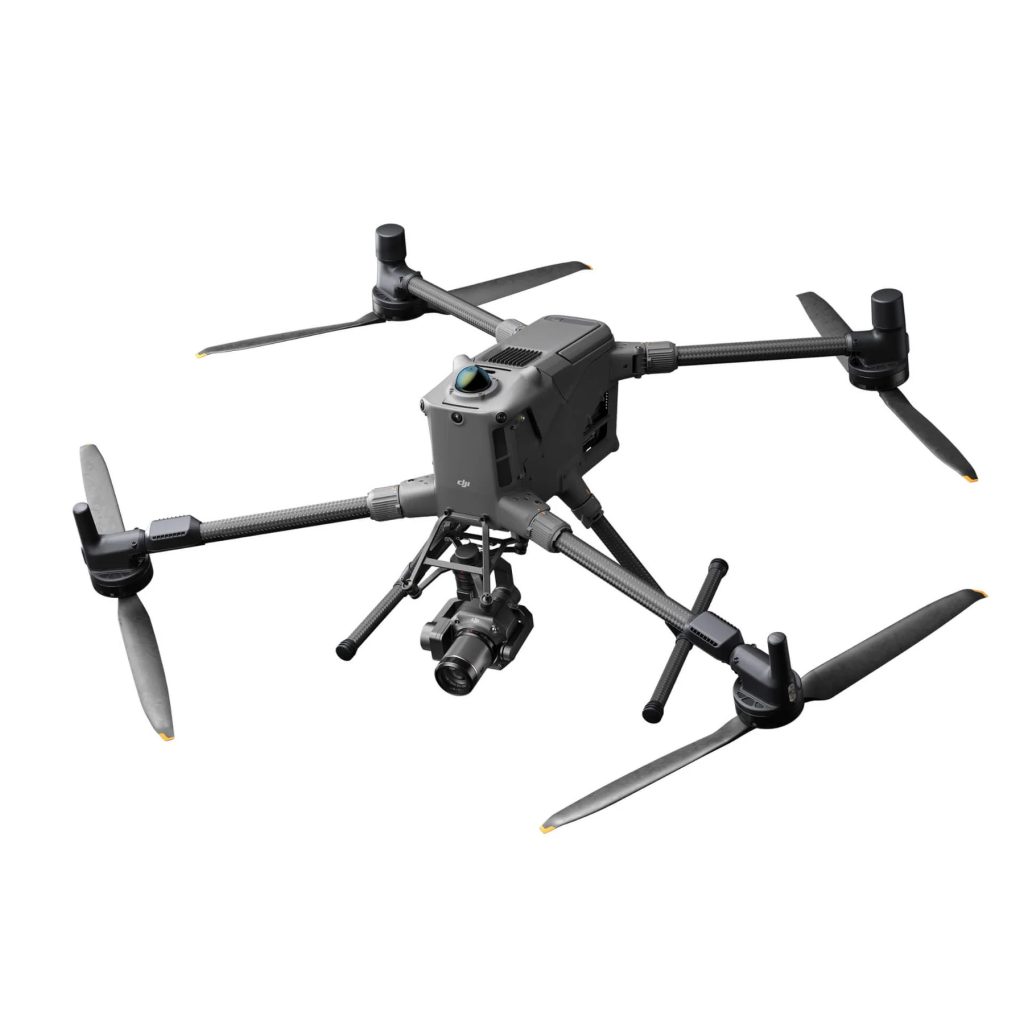
At the core of this innovation is the integration of the Laser Falcon sensor with unmanned aerial vehicles (UAVs). Utilising tunable diode laser absorption spectroscopy (TDLAS), the Laser Falcon emits a laser beam and measures the reflected energy. When the laser encounters a methane cloud, energy absorption occurs, signaling the presence of methane. This method allows for high-precision detection from a distance, significantly reducing the need for on-foot inspections.
Complementing the sensor is the SkyHub onboard computer, which records sensor readings alongside GPS coordinates with high precision. This integration enables the creation of accurate methane emission maps, facilitating precise work orders for field teams and enhancing overall operational efficiency.
Applications Across Various Sectors
The versatility of drone-based methane detection makes it applicable across multiple industries:
- Gas Facilities and Pipelines: Drones can swiftly survey extensive pipeline networks and gas facilities, identifying potential leaks without disrupting operations.
- Landfills: Given the dynamic nature of landfill terrains, drones offer a practical solution for monitoring methane emissions, ensuring environmental compliance and safety.
- Industrial Plants: In environments where ground access is restricted or hazardous, drones provide a safe and efficient means of conducting inspections.
Advantages Over Traditional Methods
The adoption of drone technology for methane detection offers several key benefits:
- Enhanced Safety: By minimising the need for personnel to enter potentially dangerous areas, drones reduce the risk of accidents and exposure to harmful substances.
- Increased Efficiency: Drones can cover larger areas in less time compared to manual inspections, accelerating the detection process and enabling quicker response times.
- Cost-Effectiveness: Reducing the reliance on manned aircraft and extensive ground crews leads to significant cost savings in the long term.
Real-World Impact
In practical applications, drone-based methane detection has demonstrated remarkable effectiveness. For instance, surveys conducted over landfill sites have shown that drones can cover up to 60 hectares in a single day, a task that would traditionally require several days of manual labor. This efficiency not only accelerates data collection but also enhances the accuracy of emission mapping, leading to more informed decision-making.
Conclusion
The integration of advanced sensors like the Laser Falcon with UAVs represents a significant leap forward in environmental monitoring. By offering a safer, more efficient, and cost-effective solution for methane detection, drone technology is poised to become an indispensable tool in the pursuit of environmental sustainability.
For organisations seeking to enhance their environmental monitoring capabilities, exploring drone-based methane detection systems could be a transformative step forward.
Download Our FREE RPC-L1 Guide
Understand everything you need to know about moving towards commercial drone operations with our RPC-L1 guide.
- Understand what RPC-L1 is and who it is for
- Learn how the CAA transition impacts operators and training routes
- Get a clear breakdown of requirements, costs and next steps
Related Posts

Social Distancing Solutions – Drones For Construction
How drones are the social distancing solution for construction and surveying The coronavirus pandemic has changed life as we know it, affecting everything from the weekly visit to the shops to how we work as a nation. One of the best methods to fight the virus is through the use of social distancing, reducing the […]

Traditional Drone Inspections Are Failing Asset Managers — Here’s the Fix
Let’s cut through the noise. Drone inspections have come a long way. But here’s the truth: if you’re still handling data flight-by-flight, you’re not managing assets — you’re babysitting fragmented video files. And no one has time for that. Asset managers don’t want to sift through raw data. They want clear, consolidated insight into the […]

10 Reasons Why You Should Take a PfCO Course
The drone market is booming and with every drone bought is the creation of a new drone pilot. Although lots of drone pilots are using drones for fun, COPTRZ does recommend a PfCO course to any pilot planning on flying a drone not just for the commercial reasons. A PfCO is a Permission for Commercial […]