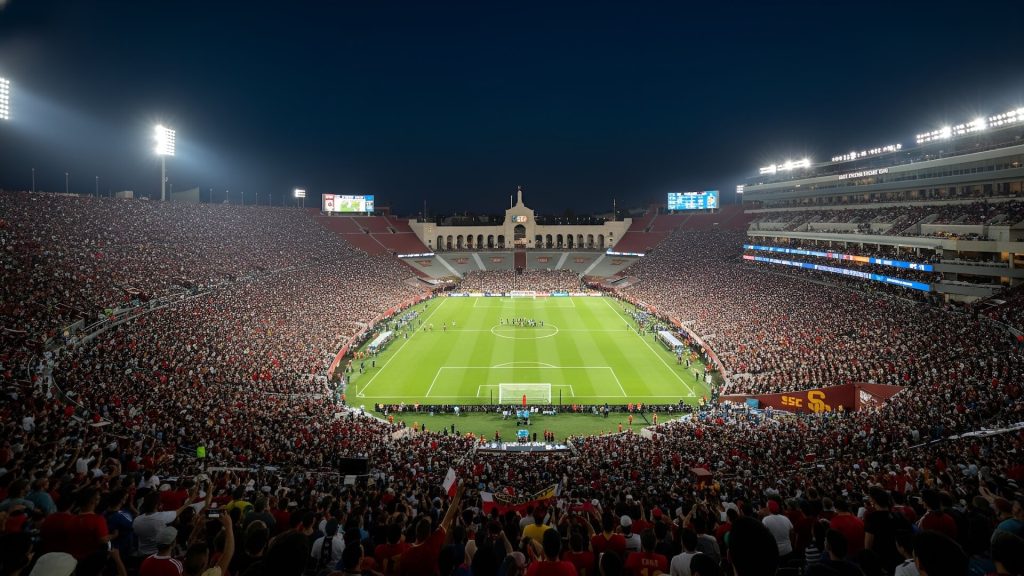
The FAA has confirmed temporary flight restrictions over every stadium hosting FIFA World Cup 2026 matches, alongside fan events, team hotels and training base camps across the United States. The rules ground all uncrewed aircraft within set radiuses on match days, and unauthorised flights carry fines of up to 100,000 dollars. This article breaks down exactly what the restrictions cover, why they matter, and the lessons UK drone operators can take from one of the largest event airspace lockdowns ever attempted.
What The FAA Has Announced For FIFA World Cup 2026
The Federal Aviation Administration (FAA), working with the Department of Homeland Security and the Department of Justice, will put temporary flight restrictions (TFRs) in place over World Cup venues throughout the tournament. The stated aim is to protect players and the millions of spectators expected to attend matches and fan zones across the country.
According to the FAA, the restrictions form part of a wider effort to secure the airspace around mass-gathering events. FAA Administrator Bryan Bedford warned that ‘drone operators should expect swift action if they violate restricted airspace’, a signal that enforcement will be active rather than advisory.
How The FIFA World Cup 2026 No Drone Zones Work
The restrictions operate on two tiers, depending on the type of location.
Around match-day stadiums, all aircraft operations, including drones, are prohibited within a 3-nautical-mile radius and up to 3,000 feet above ground level, unless air traffic control grants specific authorisation. This creates a sizeable bubble of protected airspace for the duration of each fixture.
At designated fan-event sites, a smaller restriction applies. Drone flights are banned within a 1-nautical-mile radius and up to 1,000 feet above ground level unless specifically authorised. The FAA has also confirmed that further restrictions will cover team hotels, base camps and training facilities, and that the list of affected locations may grow as the tournament approaches.
The Penalties For Flying In Restricted Airspace
The consequences for ignoring these zones are severe. Operators who enter restricted airspace without authorisation can face fines of up to 100,000 dollars, confiscation of their drone, and federal criminal charges. Federal law enforcement has the authority to identify operators, seize equipment and support prosecution.
For anyone tempted to fly a quick shot over a stadium, the maths is simple. The cost of a single unauthorised flight far outweighs the value of any footage, and a criminal record is not a trade most pilots would willingly make.
What The DETER Initiative Means For Drone Operators
The FAA recently launched the Drone Expedited and Targeted Enforcement Response (DETER) initiative, designed to speed up the identification and enforcement of drone violations. DETER will be deployed at the World Cup to back up the enhanced security effort.
Crucially, federal law enforcement is authorised to use specialised mitigation tools against unauthorised drones. That means agencies can move an aircraft out of restricted airspace while preserving evidence for later enforcement action. The combination of detection technology, rapid response and the legal power to act marks a clear shift towards proactive airspace policing at major events.
Why This Matters For UK Drone Pilots
While these rules apply on US soil, the principles travel well. Large UK events already trigger temporary airspace restrictions, and the Civil Aviation Authority issues its own notices around stadiums, royal occasions and major gatherings. The World Cup approach shows where event security is heading, with tighter no-fly bubbles, faster detection and a willingness to prosecute.
UK operators flying commercial work near busy venues should treat this as a useful reminder. Knowing how to check restrictions, understanding geo-awareness features on your aircraft, and choosing equipment built for compliant operation all reduce the risk of an expensive mistake.
How To Stay On The Right Side Of Airspace Restrictions
A few habits keep professional pilots clear of trouble. Check official notices before every flight, whether that is a NOTAM in the United States or the equivalent CAA notice in the UK. Plan around known event dates, since restrictions often appear with little warning. Fly aircraft that support geofencing and live airspace alerts, and keep your authorisations and operator registration current.
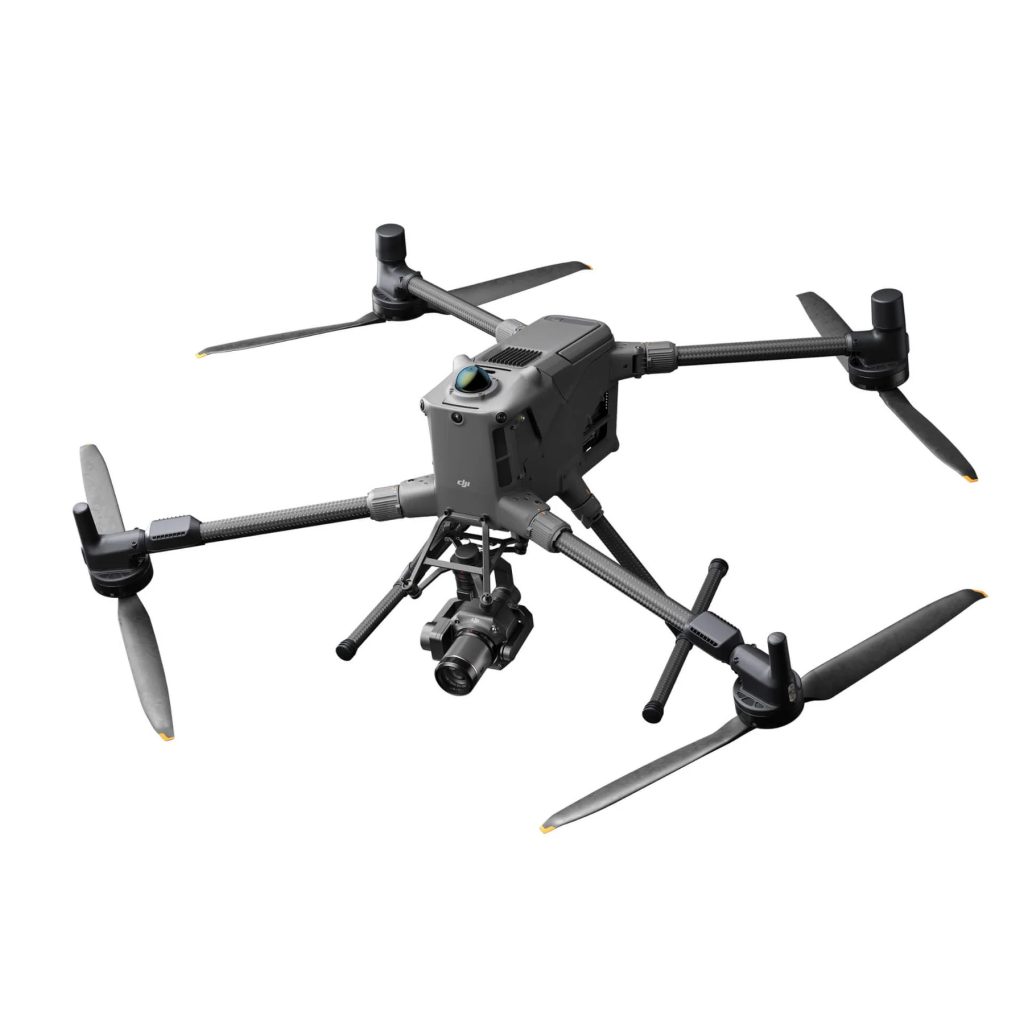
Modern enterprise drones make this far easier than it once was, with built-in airspace warnings, flight logging and remote identification that help you demonstrate compliance if questioned.
FAQs
No. On match days, all drone flights are banned within a 3-nautical-mile radius and up to 3,000 feet above ground level around each stadium unless air traffic control authorises them. Fan-event sites carry a smaller 1-nautical-mile restriction.
Operators who fly in restricted airspace without authorisation can face fines of up to 100,000 dollars, confiscation of their drone, and federal criminal charges. Federal law enforcement can also identify operators and support prosecution.
DETER stands for Drone Expedited and Targeted Enforcement Response. It is an FAA initiative that accelerates the identification and enforcement of drone violations, and it will be used at the World Cup to support enhanced security.
Always check the latest official notices for the area you intend to fly in. In the United States that means reviewing NOTAMs and any active TFRs, while in the UK you should check Civil Aviation Authority notices and use an approved airspace app before take-off.
Final Thoughts
The FIFA World Cup 2026 no drone zones represent one of the most coordinated event airspace operations to date, combining clear geographic limits, heavy penalties and rapid enforcement. For pilots, the message is consistent on both sides of the Atlantic. Respect restricted airspace, check notices before every flight, and operate equipment built for safe, compliant work near sensitive sites.
Choosing the right aircraft with proper airspace awareness and compliance features makes all the difference for professional operators. To find the best drone solution for your operation, reach out to our sales team at [email protected] or call the office on 0330 111 7177.
Download Our FREE RPC-L1 Guide
Understand everything you need to know about moving towards commercial drone operations with our RPC-L1 guide.
- Understand what RPC-L1 is and who it is for
- Learn how the CAA transition impacts operators and training routes
- Get a clear breakdown of requirements, costs and next steps
Related Posts

Are The Drone Laws Changing?
If you hadn’t already noticed, the ever-changing drone industry is facing a whole new beginning in terms of the rules and regulations. In light of the recent announcements by the European Aviation Safety Agency (EASA), followed by the CAP 1789 document released by the CAA, we thought it was time to clear up some of […]
Drones in Forestry: How are UAVs making a difference?
Drones in Modern Forestry Advancements in technology are happening every day. The drone industry is expanding and therefore drones are finding their way into new industries. Drones in forestry is a relatively new concept that is getting bigger by the day. Drones can go where humans can’t, the possibilities of what drones can do for […]

COPTRZ Drone Detection Team Protects British Grand Prix
The British Grand Prix was first held back in 1926. In the decades since, we have seen automotive technology come on leaps and bounds. The race at Silverstone has grown to become one of the UK’s iconic annual occasions. In the same vein as the Wimbledon tennis and the Open golf tournaments. It’s right at […]