The cheapest training is not cheap if it leaves your pilots uncertain and your operation exposed.
Choosing an RPC-L1 training provider is a commercial decision, not just an admin task.
The provider you choose affects:
- Pilot confidence
- Assessment readiness
- Internal training records
- Operational credibility
- Future progression
- Client evidence
- How smoothly your team moves from training into real operations
If your organisation depends on drone work, choose the provider carefully.
Start with CAA approval
The CAA maintains a directory of Recognised Assessment Entities, or RAE(PC)s, approved to provide remote pilot competency qualifications including A2 CofC, GVC, RPC-L1 and RPC-L2. The CAA lists Coptrz Ltd for L1, GVC and A2 CofC.
That should be the first filter.
Do not rely on generic “drone training” claims. Check the provider’s recognised scope.
Ask what route they offer
Not every learner needs the same route.
A good provider should be able to explain:
- Online theory route
- Face-to-face route
- Practical flight instruction
- Practical assessment
- GVC to RPC-L1 conversion
- Aircraft category considerations
- Progression into Part B, RPC-L2 or RPC-L3
- How the training fits Operational Authorisation requirements
Coptrz offers RPC-L1 Part A online and face-to-face routes, GVC conversion and practical assessment options.

Look for operational understanding, not just course delivery
A weak provider sells a course.
A strong provider helps you understand how the certificate fits:
- Operational Authorisation
- Operations Manual
- Flight logs
- Pilot currency
- Aircraft-specific training
- Site procedures
- Future progression
- Procurement and client evidence
The CAA is clear that operators must ensure pilots have appropriate operational and UAS-specific training as well as the appropriate certificate.
That is why course delivery alone is not enough.
Ask about practical training quality
RPC-L1 is not just a theory exercise. The training provider should be able to explain how practical flight instruction and assessment works, where it takes place and what pilots should expect.
Coptrz’s RPC-L1 Part A page describes both face-to-face training and online theory plus face-to-face practical, including ground and practical flight instruction and practical flight assessment.
For professional teams, practical quality matters because pilots need to apply learning in operational contexts.
Ask about team training
If you are training multiple pilots, ask:
- Can training be scheduled around operational demands?
- Can pilots be grouped by role or aircraft category?
- Can the provider support conversion routes?
- Can they help plan progression?
- Can they support future training needs?
- Can they advise on evidence and records?
The right training provider helps you build a competence pathway, not just a booking list.

Ask about future progression
The CAA describes RPC certificates as supporting a progressive pathway from VLOS operations through to increasingly complex BVLOS operations.
That means today’s RPC-L1 provider should be able to discuss tomorrow’s progression route.
Ask:
- What happens after RPC-L1 Part A?
- When would Part B be relevant?
- When would RPC-L2 be relevant?
- What experience must pilots build?
- How should we track flight hours?
- What should be planned now?
Do not choose on price alone
Price matters, but it should not be the main decision.
A poor training choice can create:
- Unconfident pilots
- Weak understanding of authorisation
- Poor record keeping
- Repeat training needs
- Internal confusion
- Client evidence gaps
- Operational risk
The better buying question is:
“Which provider will leave our pilots better prepared and our organisation better able to operate professionally?”
Why choose Coptrz
Coptrz combines:
- CAA-listed L1 training provision
- RPC-L1 Part A online and face-to-face routes
- GVC conversion options
- Practical flight instruction and assessment
- Drone industry experience
- Training and operational support
- Understanding of enterprise, public sector and infrastructure use cases
That matters if you are building an operation, not just passing a course.
FAQs
Check the CAA’s list of approved training providers. Coptrz Ltd is listed for L1, GVC and A2 CofC.
It depends on the learner and operational need. Online theory can suit flexible learners, while face-to-face may suit teams needing structured delivery.
Valid GVC holders moving to RPC-L1 may not need to pass the RPC-L1 theory test, according to CAA guidance.
No. Price should be weighed against provider credibility, practical training, assessment quality, support and future progression.
Yes. Coptrz offers RPC-L1 Part A training routes and is listed by the CAA for L1.
If you are choosing an RPC-L1 training provider, choose one that understands both the certificate and the operation behind it. Coptrz can help your pilots gain RPC-L1 Part A and build the confidence, competence and evidence needed for professional UK drone operations.
Author bio:
Simon Harris is Managing Director of Coptrz, a UK drone solutions and training provider supporting organisations with training, compliance and operational capability.
Download Our FREE RPC-L1 Guide
Understand everything you need to know about moving towards commercial drone operations with our RPC-L1 guide.
- Understand what RPC-L1 is and who it is for
- Learn how the CAA transition impacts operators and training routes
- Get a clear breakdown of requirements, costs and next steps
Related Posts
Introducing our Partnership with Wingtra…
Coptrz are proud to announce our strategic brand partnership with Wingtra Coptrz and Wingtra – the Swiss-based VTOL fixed-wing drone manufacturer – have announced a new agreement with COPTRZ becoming the first Premium Partner in Europe. Coptrz and Wingtra began working together in 2017 and has been expanding their footprint in the UK market ever […]

Do you want to be an award winning drone pilot?
COPTRZ CON 2021: Meet your judges, and let us introduce the categories! Do you want to be an award winning drone pilot? This could be your ticket to ensure you stand out from the crowd, and push you ahead of the competition. COPTRZ CON are proud to be hosting the 2021 COPTRZ CON awards on […]
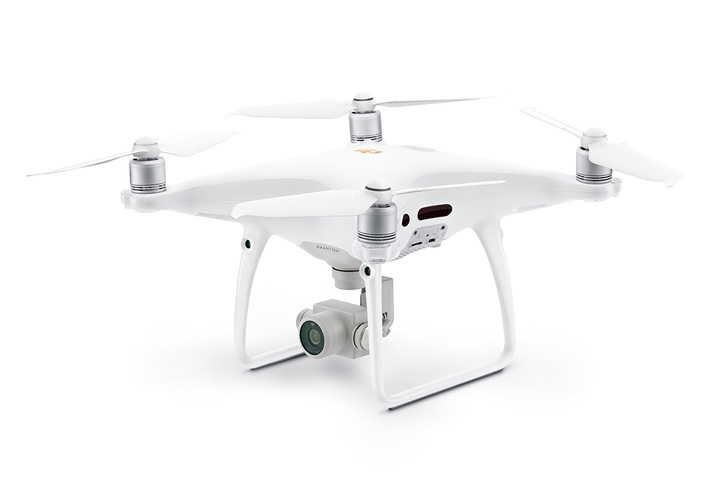
COPTRZ News: DJI announce Phantom 4 Pro+ v2.0 and Care Refresh update
Phantom 4 Pro/Pro + v2.0 announcement COPTRZ are excited to announce that DJI have released details of the brand new Phantom 4 Pro+ v2.0. The Phantom 4 Pro+ V2.0 retains all the excellent features from the Phantom 4 Pro. This features include 30 minutes maximum flight time, 7km max transmission, 5 directions of obstacle sensing […]