Quick Summary: 2026 UK drone law changes
- Under 250g with a camera: Flyer ID required; Operator ID required from 100g+
- 250g–25kg: Both Flyer ID and Operator ID required
- Max height: 120m (400ft) above ground
- Commercial use: Third-party insurance is mandatory
- No-fly zones: Always check airspace before every flight
- Want to fly near people? You need an A2 CofC
- Professional operations: RPC-L1 Part A replaces the GVC
In the UK, most drone pilots will need at least a Flyer ID before they can legally fly. Whether you also need an Operator ID — and what other qualifications apply — depends on the weight of your drone, whether it has a camera, and how you intend to use it.
- Under 100g (no camera): No Flyer ID or Operator ID legally required, though the CAA recommends completing the Flyer ID test.
- 100g to under 250g (with camera): Flyer ID required; Operator ID required.
- 250g to 25kg: Both Flyer ID and Operator ID required.
- Flying commercially or for work: Third-party insurance is mandatory, and an A2 CofC or RPC-L1 Part A may also apply.
The Flyer ID is free via the CAA online theory test. The Operator ID costs £12.34 per year.
You’ve got a drone, but before you take flight, there is one thing you need to get right first: the law.
Understanding and following British drone laws is not just a legal requirement. It is fundamental to flying safely, respecting other people’s privacy, and using UK airspace responsibly. Whether you fly for leisure, content creation, surveying, inspection, agriculture, or any other professional purpose, staying current with the rules matters. This guide covers the essentials, including registration, Flyer ID and Operator ID requirements, where you can fly, privacy, insurance, and when you may need a higher level of qualification or CAA authorisation.
Overview of British Drone Laws
In the UK, drone and model aircraft use is regulated by the Civil Aviation Authority, or CAA. The rules are designed to support innovation while protecting people, property, aircraft, and airspace.
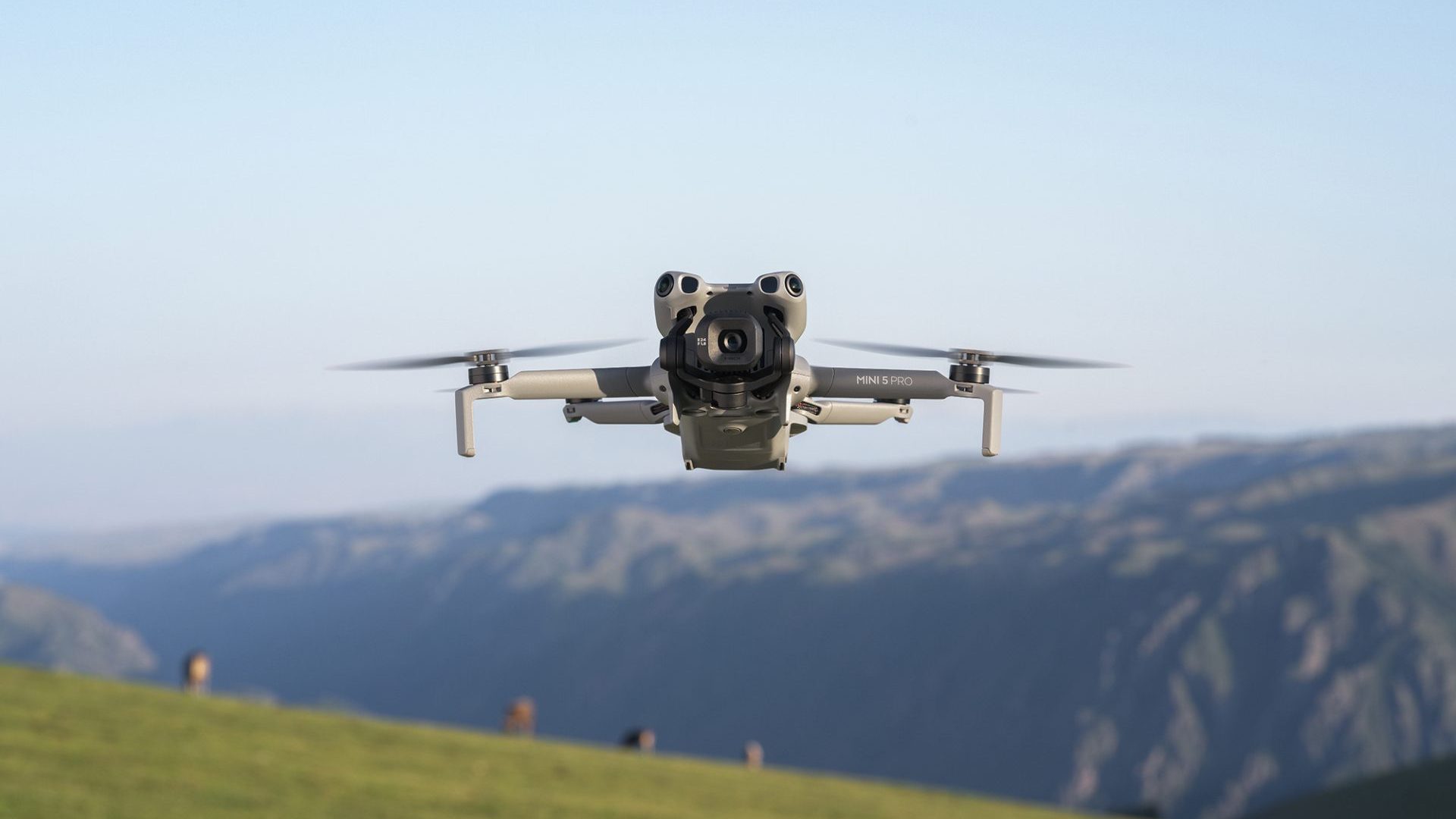
Some drones are tiny, like the DJI Mini series, and some are much larger, such as enterprise and heavy-lift platforms. If someone were to misuse a larger drone, the risk would be much higher than with a small sub-250g aircraft. This is why drone operations in the UK are classified into three main categories based on the level of risk:
- Open Category for lower-risk, more straightforward flying
- Specific Category for operations that are more complex or higher risk than the Open Category allows
- Certified Category for the highest-risk operations, aligned more closely with traditional aviation regulation
For most new pilots, the starting point is the Open Category. If your operation goes beyond those limits, you may need an Operational Authorisation in the Specific Category. The CAA website can be found here.
Key Regulations and Requirements
Registration and IDs
Before you fly, you must make sure you have the correct registration and competency requirements in place. The CAA bases this on the weight of the drone or model aircraft, whether it has a camera, and in some cases its class mark. In simple terms:
- 250g to under 25kg: you must have both a Flyer ID and an Operator ID
- 100g to under 250g: you must have a Flyer ID, and if the drone has a camera, you must also have an Operator ID
- Under 100g: a Flyer ID is not legally required, although the CAA strongly recommends taking the test, and an Operator ID is optional
You do not simply become exempt because your drone is under 250g. Many lighter drones still require a Flyer ID, and camera-equipped drones from 100g upwards also require an Operator ID.
- Operator ID: To register as a drone operator, you must be over 18. If you are under 18, a parent or guardian must register for the Operator ID on your behalf. The operator is the person or organisation responsible for the drone or model aircraft, including maintaining it and ensuring it is flown legally. Your Operator ID must be clearly labelled on each aircraft that requires one, and the same Operator ID can be used across multiple drones and model aircraft that you are responsible for. Registration for an Operator ID currently costs £12.34 and is valid for one year.
- Flyer ID: The Flyer ID shows that you have passed the CAA’s official theory test and understand the basic rules for flying safely and legally. The test is free and the Flyer ID is valid for five years.
If your drone or model aircraft requires a Flyer ID or Operator ID and you fly without the correct one, you may be breaking the law and could face enforcement action, including fines and, in serious cases, prosecution. The good news is that the process is straightforward, with the Flyer ID obtained through an online theory test and the Operator ID completed through the CAA registration service.
The Operating Categories
Open Category: the Open Category has three sub-categories:
- A1 (Over People): generally for the lowest-risk aircraft in the Open Category, including many drones below 250g and certain class-marked aircraft. These aircraft can be flown closer to uninvolved people than heavier drones, but never over crowds.
- A2 (Near People): this allows you to fly closer to uninvolved people than in A3, but it requires the correct aircraft and an A2 Certificate of Competency (A2 CofC). For many beginners, this is the next step up if they want more operational flexibility with small drones.
- A3 (Far from People): for drones that must be flown well away from uninvolved people and built-up areas. This is the most restrictive of the Open Category sub-categories.
Specific Category: for more complex operations requiring an Operational Authorisation from the CAA. This includes operations that cannot be conducted within the limits of the Open Category.
Certified Category: for high-risk operations, similar to manned aviation. This is the category intended for the most advanced and highly regulated use cases.
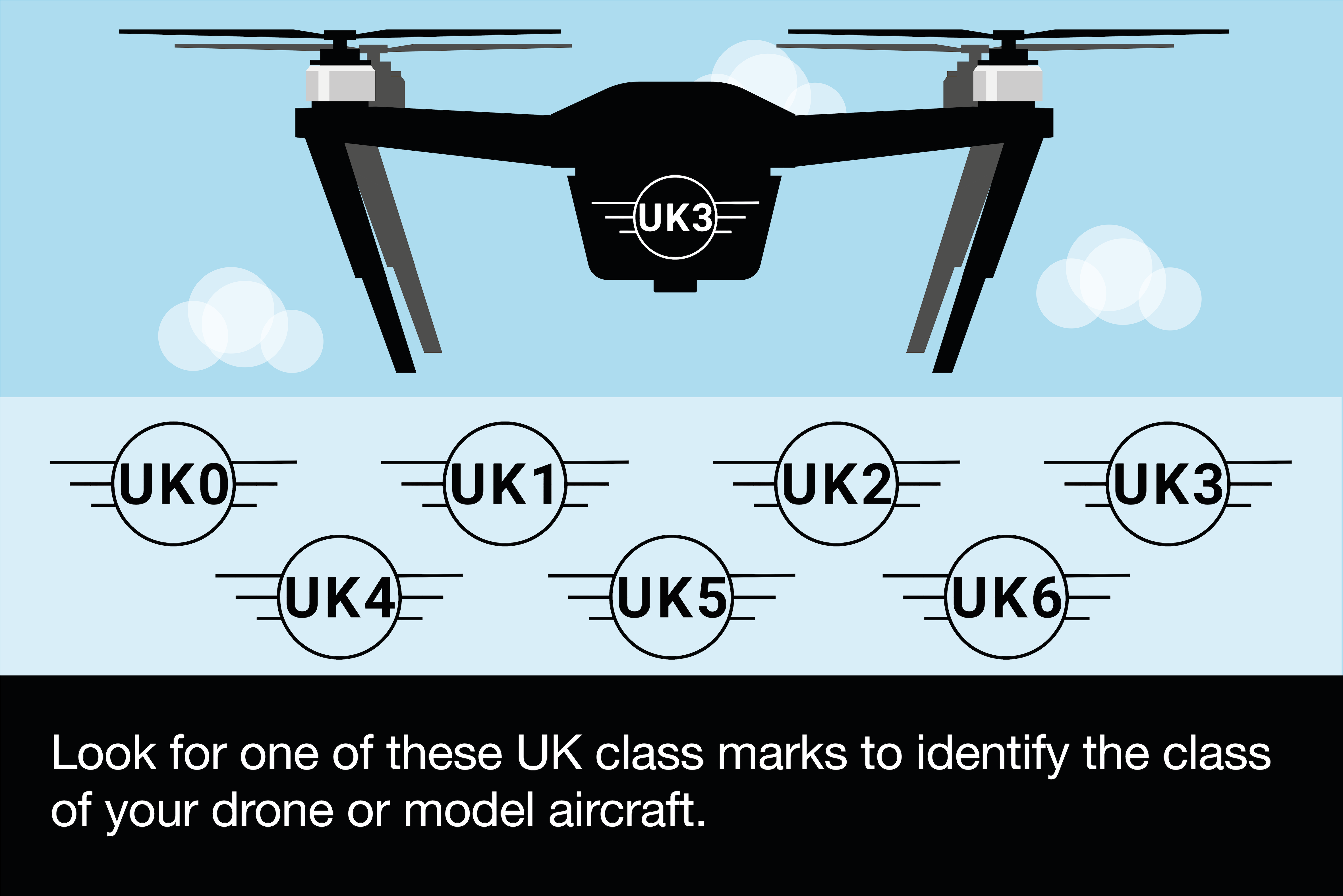
It is also worth knowing that new drone models placed on the UK market must now carry a UK class mark. These class marks help determine how and where the aircraft can be flown in the Open Category. Some European C-marked aircraft can continue to be treated as equivalent UK class aircraft for a transitional period.
If you are interested in advanced applications, it is sensible to get advice early, as the correct route may be an Operational Authorisation, a PDRA, or another approval path depending on the exact type of operation.
Flying Restrictions and Permissions
Now that you have your IDs, let’s zoom in on the restrictions you will need to consider while flying your drone.
Maximum Height and Distance
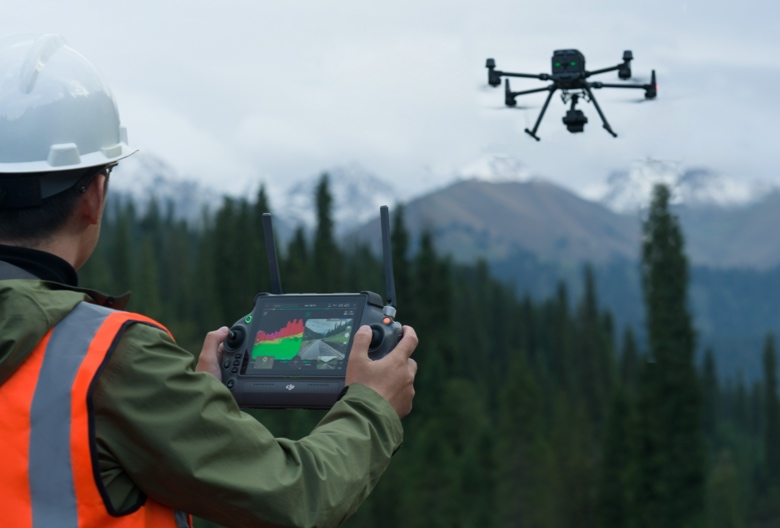
Drones must not be flown higher than 120m, or 400ft, above the ground. Pilots must maintain visual line of sight, or VLOS, with their drones at all times. This means being able to see the drone clearly enough to understand its position, direction, and the surrounding airspace without using binoculars, a telephoto lens, or electronic viewing equipment. Normal glasses and contact lenses are fine.
The practical VLOS range will differ between drone models. Smaller drones, especially those under 250g, can be harder to see and keep track of, potentially reducing the effective range. Larger drones are generally easier to see, but the legal requirement remains the same regardless of aircraft size.
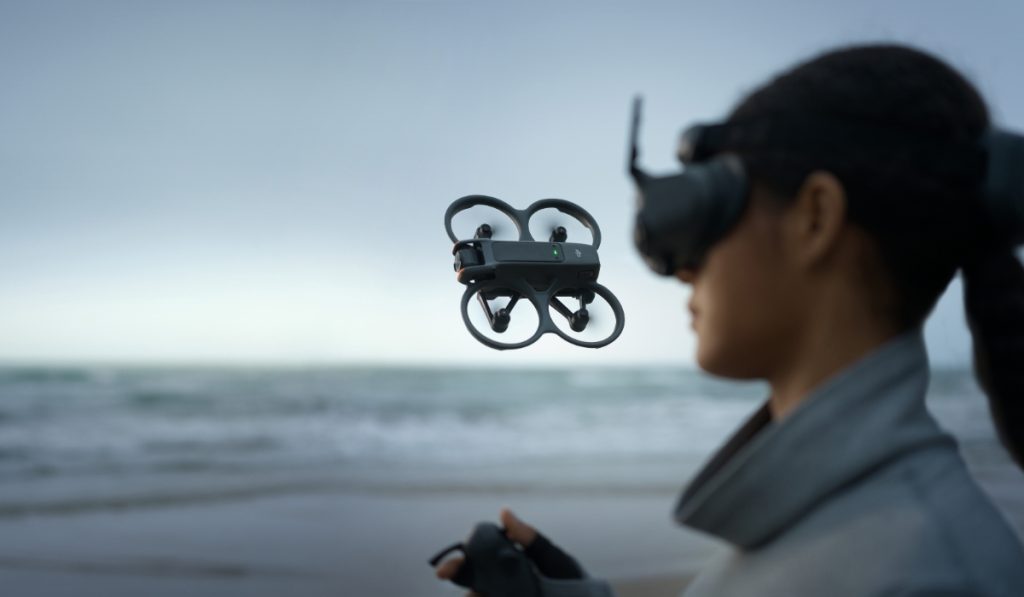
This also applies to First Person View, or FPV, drones such as the DJI Avata series. FPV does not replace the requirement for direct sight in the Open Category. If flying FPV, you must have an observer standing next to you, and at least one of you must be able to keep the drone in direct sight and maintain a full view of the surrounding airspace at all times.
If you fly at night in the Open or Specific Category, the aircraft must display a green flashing light. This helps make the drone more visible and helps distinguish it from a manned aircraft.
No-Fly Zones
Flying drones near airports, airfields, heliports, or in restricted airspace is prohibited unless you have the appropriate permission. Many of these locations are protected by a Flight Restriction Zone, or FRZ. Always check current airspace restrictions before your flight using reliable tools and current information.

These restrictions are in place to prevent interference with manned aircraft and to protect sensitive areas. Temporary restrictions can also appear around emergencies, events, prisons, and other protected sites, so do not rely on yesterday’s information.
Many drones include geofencing or geo-awareness features, which can help warn you about restricted areas. However, you should not rely on these systems alone. The CAA makes clear that built-in maps and airspace data may not always be fully up to date, so it is the pilot’s responsibility to check a correct and current source before flying.
Remote ID
Remote ID is now part of the UK drone framework. If you fly a UK1, UK2 or UK3 class drone or model aircraft, you must fly with Remote ID switched on where required by the rules. This is something pilots need to be aware of, particularly when buying newer aircraft or planning more advanced operations.
Safety and Legal Considerations

Pre-Flight Checks
Pre-flight checks help ensure safety, compliance, and mission success by verifying that the drone and its components are in good condition, the weather is suitable, and there are no environmental hazards. They help prevent malfunctions, legal issues, and accidents, ensuring the drone is ready for the task and that any data collected is accurate.
This includes checking battery levels, propellers, firmware, airspace restrictions, the surrounding environment, and any operational hazards. A thorough pre-flight check will help prevent accidents and ensure a safer flight.
Before the day of flight:
- Check the weather
- Firmware updated
- App updated
- Flight route or area planned
- Site survey and obstacle check
- Obtain required permissions
- Check NOTAMs
- Pre-notification requirements
- Aircraft batteries charged
- Controller charged
- Ground station charged
- Equipment packed
- First aid kit packed
- SD card formatted
Immediately before flight:
- All equipment brought
- Inspect aircraft for faults
- Warn all spectators
- Home point set, including RTH height
- Lens cover removed
- Gimbal clamp removed
- SD card in aircraft
- Check signal strength
- Check satellite strength
- Propellers tightened and free to move
- Compass calibrated if required by the manufacturer and operating environment
- Correct flight mode selected
- Batteries properly fitted
- Batteries at correct temperature
- Check the wind speed
- Double check obstacles, such as powerlines, trees, and buildings
- Take-off and landing point established
- Controller turned on first if required by your system
- Turn on the aircraft
- Press record if needed for the mission
- Hover briefly after take-off to monitor behaviour and sound
- Check all controls are responsive
Legal Consequences
Violating British drone laws can lead to serious penalties, including fines and, in the most serious cases, imprisonment. If you endanger the safety of an aircraft, the penalties can be severe. Understanding the rules around height, airspace, distance from people, and the correct category of operation is crucial for staying compliant.
Additionally, it is important to have the right qualification for the type of flight you want to carry out. For example, some operations in the Open Category may only require a Flyer ID, while others may need an A2 CofC. More advanced operations in the Specific Category may require a recognised competency route such as RPC-L1, depending on the authorisation pathway, with RPC-L1 Part A forming the entry point for VLOS operations within the newer RPC framework.
Training and Certification
Before investing in equipment, it is vital to understand Drone Procurement Compliance 2026 to ensure your fleet meets the latest safety standards.
A2 Certificate of Competency (A2 CofC)
The A2 Certificate of Competency (A2 CofC) allows pilots to fly certain small drones in the Open Near People (A2) sub-category. For many legacy drones under 2kg, this typically means maintaining a 50m horizontal separation distance from uninvolved people. This qualification is designed for lower-risk operations in more built-up or people-adjacent environments without needing a CAA Operational Authorisation.

This certification involves online theoretical training and an online test, making it useful for operating in more restricted environments. A valid UK CAA Flyer ID is also required.
With the A2 CofC, you can fly small drones, such as many aircraft in the DJI Mavic series and similar platforms, under those permissions without needing extensive training or a CAA Operational Authorisation. In summary, the A2 CofC is for those who want to fly smaller drones in lower-risk environments with more flexibility than the basic Flyer ID alone provides.
Key Benefits of the A2 CofC:
- Operational Flexibility: Allows flying closer to people and in more complex environments.
- Cost-Effective: Operate commercially without hefty training costs.
- Suitable for Popular Models: Well suited to many smaller drones, including popular camera drones used for recreational and commercial work.
Coptrz A2 CofC Training Package:
- Lifetime Access: On-demand, up-to-date A2 video training.
- Mock Examinations: Unlimited access to practice exams.
- Flexible Examination: Online A2 Theory Examination at your convenience.
- Electronic Certificate: CAA A2 CofC Certificate sent electronically upon successful completion.
- Unlimited Support: Professional, dedicated support team available via call, email, or live chat.
- Find out more here
Level 1 Remote Pilot Certificate (RPC-L1) Part A
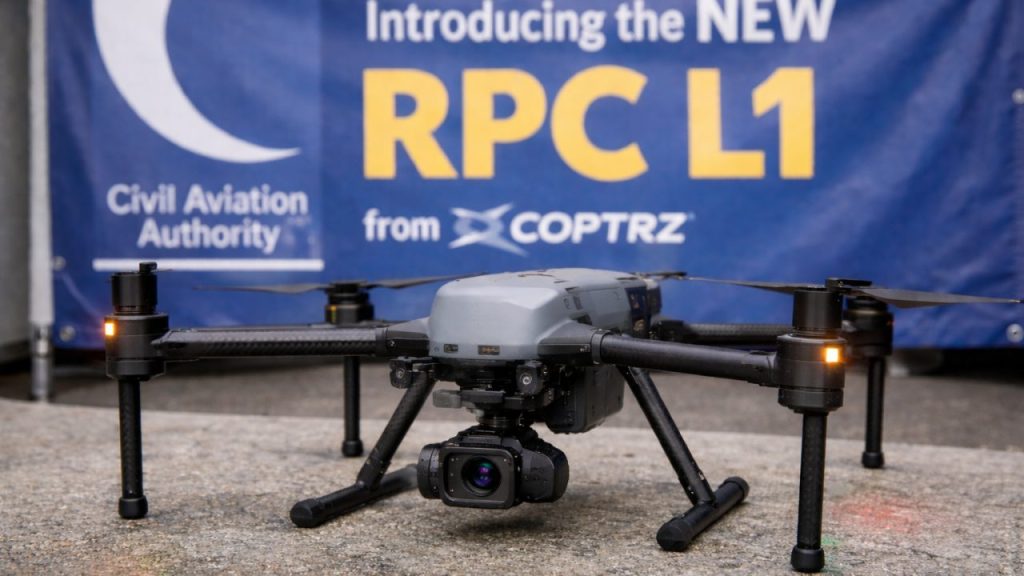
The Level 1 Remote Pilot Certificate (RPC-L1) Part A is the new standard entry-level qualification for Specific Category Visual Line of Sight (VLOS) operations, aligned with UK SORA. It is designed for drone operations conducted under a VLOS-only Operational Authorisation. The CAA describes RPC-L1 as a VLOS-only certificate with Flyer ID as the entry condition, while your own course materials present RPC-L1 Part A as the entry point for those VLOS operations.
For many years, the General Visual Line of Sight Certificate (GVC) was the main route for this step. The GVC is now a legacy certificate, and RPC-L1 Part A is the replacement route within the newer RPC framework. To see how these changes phase in, view our UK Drone Competency Timeline. The CAA still accepts a valid RPC-L1 or a GVC Drone Training Course for PDRA01 applications, though the broader policy direction is moving toward the RPC framework. The broader policy direction is towards the RPC framework, with the CAA consulting on the phased withdrawal of new GVC issuance.
The RPC-L1 pathway is split into Part A and Part B. Part A covers VLOS operations only. Part B is an optional add-on for BVLOS with Visual Mitigation, using visual observers. This means Part A is the foundation stage for pilots who want to begin in structured Specific Category VLOS operations and then progress further if needed.
Passing RPC-L1 Part A does not automatically grant you an Operational Authorisation. You must still complete the relevant CAA authorisation process to be legally permitted to perform Specific Category operations. In simple terms, RPC-L1 Part A = competence and Operational Authorisation = permission to fly. That distinction is important for beginners: the certificate proves the pilot’s competence, while the authorisation gives the operator legal permission to carry out the operation.
In summary, RPC-L1 Part A is for those who want to move beyond straightforward Open Category flying and into structured, professional VLOS operations in the Specific Category. It is also the starting point for pilots planning progression through RPC-L1 Part B, RPC-L2 and RPC-L3.
Key Benefits of RPC-L1 Part A:
- Legal Compliance: Supports Specific Category VLOS operations under a CAA Operational Authorisation.
- Future-Ready: Aligns with UK SORA and the newer RPC framework.
- Professional Development: Builds recognised pilot competence for structured commercial operations.
- Progression Pathway: Forms the stepping stone toward RPC-L1 Part B, RPC-L2 and RPC-L3.
Coptrz RPC-L1 Part A Training Package
Coptrz offers a comprehensive RPC-L1 Part A Training Package in both online and classroom formats, giving pilots flexibility in how they complete the course.
Coptrz offers RPC-L1 Part A training for new pilots entering commercial drone operations, GVC holders upgrading to the new framework, organisations needing CAA-compliant operations, and pilots planning progression toward BVLOS. The course includes theory training, a multiple-choice theory exam, a minimum of 2 hours of practical ground and flight instruction, and an approximately 1 hour flight assessment. If you hold a valid GVC, the theory training is still required, but the theory exam is not. The CAA also states that holders of a valid GVC do not need to pass the RPC-L1 theory test.
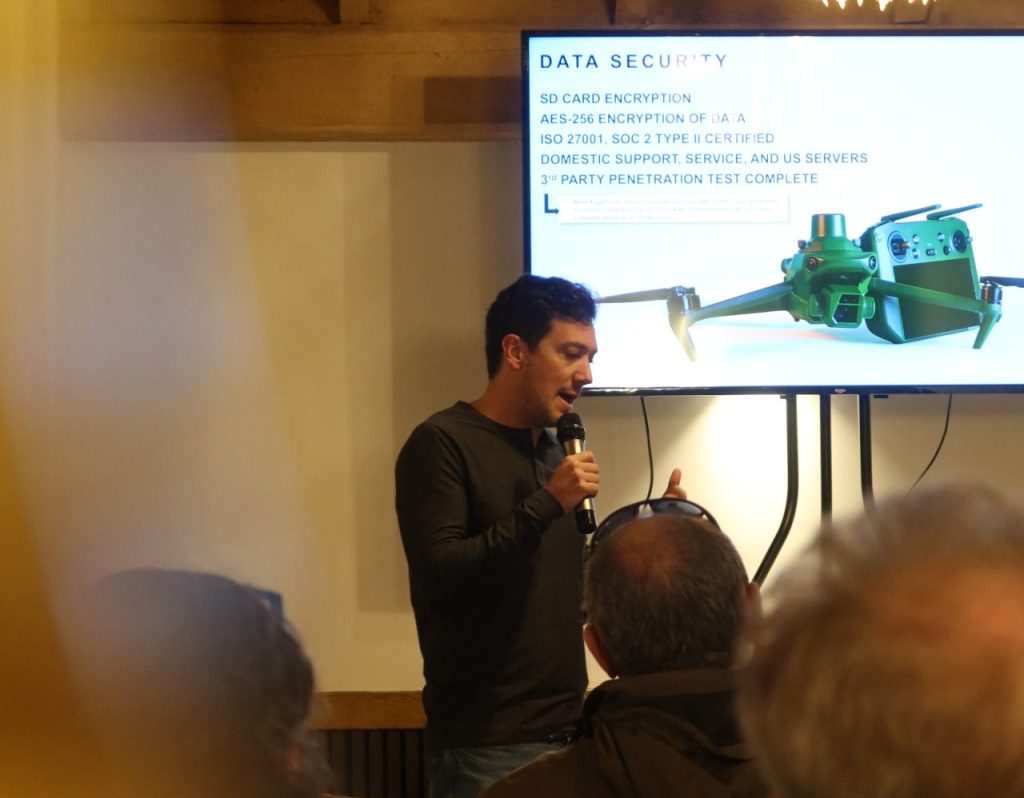
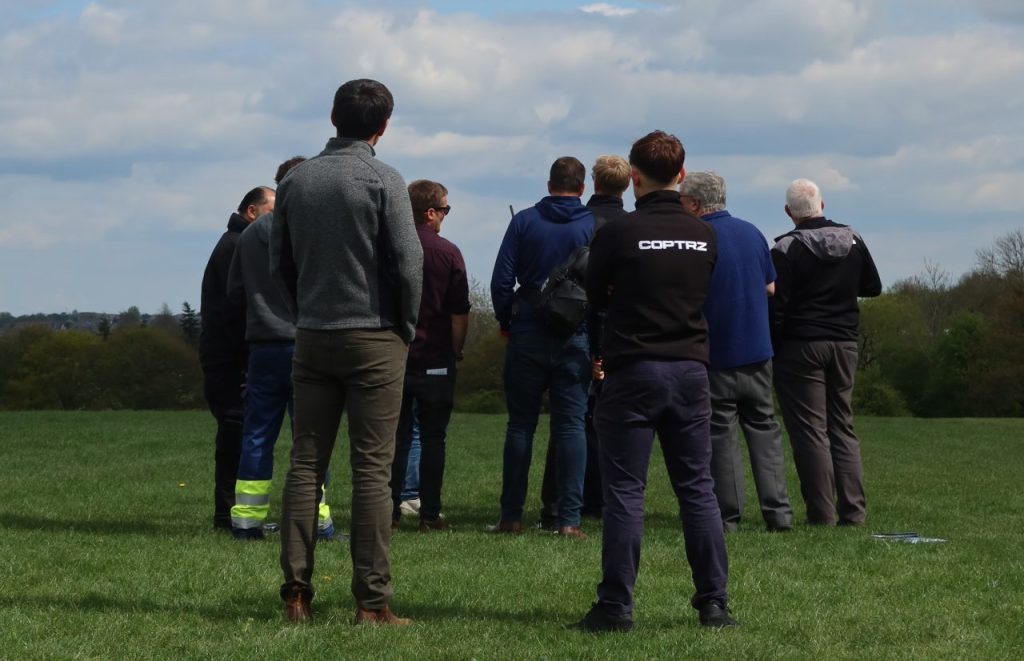
Classroom RPC-L1 Part A Course Includes:
- 2 days in the classroom
- Theory exam on the second day
- Practical ground and flight instruction
- 1 hour Flight Assessment
- Access to supporting operational templates and documents
- Award of your Level 1 Remote Pilot Certificate (RPC-L1) Part A
Online RPC-L1 Part A Course Includes:
- E-learning of the RPC-L1 Part A syllabus
- CAA-aligned theory examination
- Practical ground and flight instruction
- 1 hour Flight Assessment
- Award of your Level 1 Remote Pilot Certificate (RPC-L1) Part A
Online GVC to RPC-L1 Part A Conversion Course Includes:
- E-learning of the RPC-L1 Part A syllabus
- Exemption from the theory exam for valid GVC holders
- Practical ground and flight instruction
- 1 hour Flight Assessment
- Award of your Level 1 Remote Pilot Certificate (RPC-L1) Part A
CAA-Approved Training Provider
If you want to stand out from the crowd, you will need a training provider that offers CAA-approved drone training, recognised qualifications, and ongoing support from industry experts. Coptrz is listed by the CAA as an approved training provider for remote pilot qualifications, and Coptrz Academy’s own materials position it as a provider of A2 CofC, GVC, RPC-L1 Part A, RPC-L1 Part B, RPC-L2 and RPC-L3 pathways.

Who is Coptrz Academy For?
Individuals starting a drone business: whether you are new to the drone industry or looking to expand your skill set, Coptrz provides the necessary training to help launch and grow a drone operation.
Organisations enhancing operations: for organisations aiming to make their operations faster, safer, and more cost-effective, Coptrz offers tailored training to meet specific needs.
Variety of drone operators: if you operate different drones and payloads, practical and relevant training can help ensure your operation stays safe, legal, and efficient.
Advanced and industry-specific courses: for organisations managing larger or more complex UAS projects, more advanced and specialist training can help support compliance and operational capability.
Training Formats
Online and in-person training can both be effective depending on your schedule, learning style, and operational goals. Many pilots begin with online theory, then progress to practical flight coaching or assessment once they are ready.
A comprehensive learning platform, supported by practical instruction and tailored training where needed, can help pilots move from simply owning a drone to operating one safely, legally, and confidently.
Privacy and Data Protection

British Drone Privacy Laws
When flying drones equipped with cameras or listening devices, operators must comply with privacy and data protection law. It is not simply a case of avoiding photos without consent. The key point is that you must use your drone in a way that respects other people’s privacy, especially in places where they would reasonably expect privacy, such as homes and gardens. Photos, video, and audio recordings may amount to personal data, which means UK GDPR and the Data Protection Act 2018 may apply.
If you are using a drone in a way that involves surveillance or the routine collection of personal data, you may also need to consider your lawful basis for processing that data and how you store, use, and share it.
Insurance and Liability
British Drone Insurance Laws
If you fly a drone or model aircraft for recreation, sport, or as a hobby, you can choose whether or not to have insurance.
If you fly for any commercial or work-related reason, you must have third-party insurance as a minimum. To ensure you have the correct level of cover, consider a specialist policy like SkySure Drone Insurance. For example, this includes being paid to take photographs or video, carrying out surveys, providing delivery services, using a drone for work on a farm, park, or estate, or using a drone in an educational setting.
Insurance covers damage and liability arising from drone operations, helping to protect you financially if something goes wrong.
Helpful Resources and Tools
- CAA website and official airspace information sources: always use these as your primary reference for the latest drone rules, registration requirements, and flight restrictions.
- FPV UK – The Drone Map: provides information on airspace restrictions and warnings.
- AirData UAV: flight analytics, logging, reporting and alerting.
- SkySync: a drone operations management platform that helps with planning and compliance.
- SkyWise alerts: useful for staying informed about wider aviation updates and safety information.
Staying informed about British drone laws is essential for safe and legal drone operations. By understanding and complying with the current regulations, you can enjoy the benefits of drone technology while helping to protect people, property, privacy, and the wider airspace environment. Fly safe.
Want to revolutionise your organisation with drones? Speak to a drone expert for free today.
Do You Need a Drone Licence in the UK?
In the UK, most drone pilots will need at least a Flyer ID before they can legally fly. Whether you also need an Operator ID — and what other qualifications apply — depends on the weight of your drone, whether it has a camera, and how you intend to use it.
The Flyer ID is free via the CAA online theory test. The Operator ID costs £12.34 per year.
Can You Fly a Drone Over Private Property in the UK?
There is no specific law in the UK that outright prohibits flying a drone over private property. However, several overlapping rules apply, and getting it wrong can have serious consequences.
Trespass and Civil Law
Flying a drone very low over someone’s land could, in some circumstances, constitute trespass under civil law — even though airspace above a certain height is not privately owned.
Privacy Law
If your drone carries a camera and you are filming or photographing people on private land — particularly in or around their home — you may be processing personal data under UK GDPR and the Data Protection Act 2018. Flying over a garden or capturing images through windows without consent is likely to breach these rules.
The CAA Rules Still Apply
Even over private land, all standard UK drone regulations apply: the 120m height limit, visual line of sight requirements, no-fly zone restrictions, and the requirements around flying near people.
Best Practice
- Obtain written permission from the landowner wherever possible
- Avoid capturing identifiable images of people without consent
- Stay well clear of windows, gardens, and areas where people have a reasonable expectation of privacy
- Keep records of any permissions obtained
Frequently Asked Questions: UK Drone Laws 2026
Do I need a licence to fly a drone in the UK?
Most drone pilots in the UK need a Flyer ID at minimum. If your drone weighs 250g or more, or has a camera and weighs between 100g and 250g, you will also need an Operator ID. The Flyer ID is free via the CAA online theory test. The Operator ID costs £12.34 per year.
How high can you fly a drone in the UK?
Drones must not be flown higher than 120 metres (approximately 400 feet) above the ground. You must also maintain visual line of sight at all times.
Can you fly a drone over private property in the UK?
There is no blanket law prohibiting drone flight over private property in the UK, but trespass, privacy law, and all standard CAA rules still apply. Always seek landowner permission where possible.
What are the new drone rules in the UK for 2026?
Key 2026 developments include the rollout of UK class marks, Remote ID requirements for UK1/UK2/UK3 class aircraft, and the RPC-L1 Part A replacing the GVC for Specific Category VLOS operations.
Do you need insurance to fly a drone in the UK?
Insurance is optional for recreational pilots. If you fly for any commercial or work-related reason, third-party liability insurance is legally required as a minimum.
What is the difference between a Flyer ID and an Operator ID?
A Flyer ID proves you passed the CAA theory test — free and valid for five years. An Operator ID registers you as responsible for the drone — £12.34/year, requires you to be 18+, and must be labelled on each aircraft.
Download Our FREE RPC-L1 Guide
Understand everything you need to know about moving towards commercial drone operations with our RPC-L1 guide.
- Understand what RPC-L1 is and who it is for
- Learn how the CAA transition impacts operators and training routes
- Get a clear breakdown of requirements, costs and next steps
Related Posts

Coptrz Commercial Drone Exhibition 2022: Line-up Announced
Welcome to Coptrz Commercial Drone Exhibition 2022. We have been working tirelessly over the last few months to bring you an event that showcases the UK’s most comprehensive range of industry-leading drone technology. Here’s what we have in store for you with only one week to go! Coptrz Commercial Drone Exhibition will bring together industry-leading […]

Drones For Internal Inspection: Access All Areas
Every day, workers around the globe perform inspections of hazardous inside spaces. Drones can perform surveys of challenging internal environments more safely and efficiently than a human inspector, now is the time to move towards drones for internal inspection. Internal inspections involve access to some of the most dangerous environments in industry. Internal inspections are […]
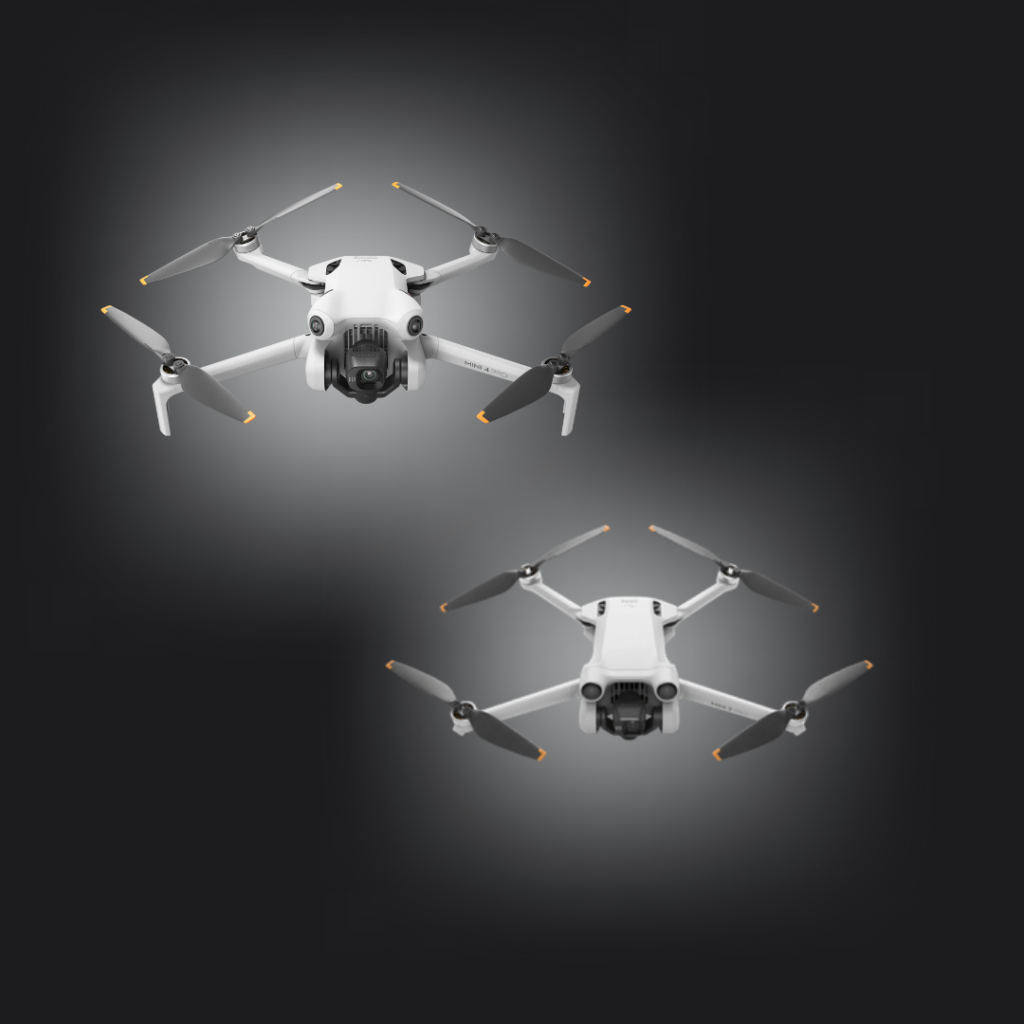
Disrupting the Drone World: DJI Mini 3 Pro vs. DJI Mini 4 Pro
In a world where everyone’s trying to fly higher, DJI just changed the game. Again. But this time, it’s not just about flying; it’s about breaking barriers, challenging norms, and giving drone enthusiasts something they didn’t even know they wanted. Let’s dive deep into the world of DJI’s latest offerings: the Mini 3 Pro and […]