As drone users, we often wonder how we can get the most out of our purchase. Drones come in all shapes and sizes, and each model is different. That is why working out how high a drone can fly can be difficult. The answer depends on the drone’s capabilities, but it is also important to understand the legal flight limit that applies.
For example, in the United Kingdom, a drone or model aircraft must not normally be flown above 120m (400ft) from the closest point of the earth’s surface. Flying above 120m (400ft) is allowed only in limited circumstances, such as when carrying out a task related to a structure that is taller than 105m and requested by the person or organisation responsible for it. In that case, the aircraft must remain no more than 15m above the structure and within 50m horizontally of it while above 120m. This restriction is a core pillar of standard UK drone laws, designed to keep unmanned aircraft safely separated from manned aviation. If a remote pilot wishes to exceed the 120m (400ft) limitation in other circumstances, this would require a Civil Aviation Authority (CAA) Operational Authorisation in the Specific Category, typically through the UK SORA process.
However, it is important to note that many drones are technically capable of operating far above 120m (400ft). In practice, that does not change the legal limit. For most users, the constraint is regulatory rather than technical, and the flight must remain within the applicable legal and operational framework.
Failure to adhere to this rule could result in legal problems for the drone pilot or operator. Flying dangerously, including flying outside the legal limitations that apply to the operation, can be treated as a breach of aviation law, and dangerous drone use can also be reported to the police. As such, all remote pilots must comply with the 120m (400ft) limit unless a lawful exception applies.
How High Can A Drone Fly In Other Parts Of The World?
While the UK uses a general limit of 120m (400ft), other countries vary. In many jurisdictions, 120m or 400ft above ground level is the standard baseline for routine drone operations. Across much of Europe under the EASA framework, the general Open Category limit is 120m above ground level. That means countries such as France, Germany, Spain, Italy, the Netherlands, Poland, Ireland, Belgium, Portugal, Austria, Sweden, Norway, Denmark, Finland, the Czech Republic, and many others using the EASA system broadly follow the same 120m rule.
Outside the EASA system, the United States generally uses 400ft above ground level, Canada uses 122m (400ft) AGL, Australia uses 120m AGL, and New Zealand uses 120m (400ft) AGL.
Some countries use a different baseline. Japan generally requires permission for flight at 150m or more above ground, so 150m is the key threshold to note there. Singapore requires a permit for operations higher than 200ft, approximately 60m. India uses 120m (400ft) AGL in its drone framework. Brazil also uses a 120m limit as part of its open-style operating rules.
Because national rules, airspace restrictions, geographical zones, and permit structures differ, any drone pilot flying abroad should always confirm the current requirements with the relevant aviation authority before operating.

Recreational Drones VS Professional Drone Height Limits
The first thing to know about drone height limits is that, in the UK, the rules are not based simply on “recreational” versus “professional” flying. Instead, they depend on the category of operation, the aircraft, the location, and whether the operator holds the relevant competence and CAA authorisation. In the Open Category, the normal height limit is 120m (400ft). Flying above that generally requires a lawful exception or operation in the Specific Category under the appropriate authorisation. If you want to maximize your operational freedom within these weight limits, completing an A2 CofC course will allow you to fly modified or transitional drones much closer to uninvolved sub-categories of people.
One important exception is that a drone may be flown higher than 120m when the flight is related to a very tall structure over 105m, the person or organisation responsible for that structure has requested the task, the drone is no more than 15m above the structure, and it remains within 50m horizontally of the structure while above 120m. This is intended for tasks such as inspection or survey work.
Remember, too, that the 120m limit means from the closest point of the earth’s surface. You cannot, for example, start from elevated ground and then add another 120m on top. If you fly near hills, mountains or cliffs, you must adjust your flight path so that the drone is never more than 120m from the closest point of the surface.
Maximum Range: Why Does This Matter?
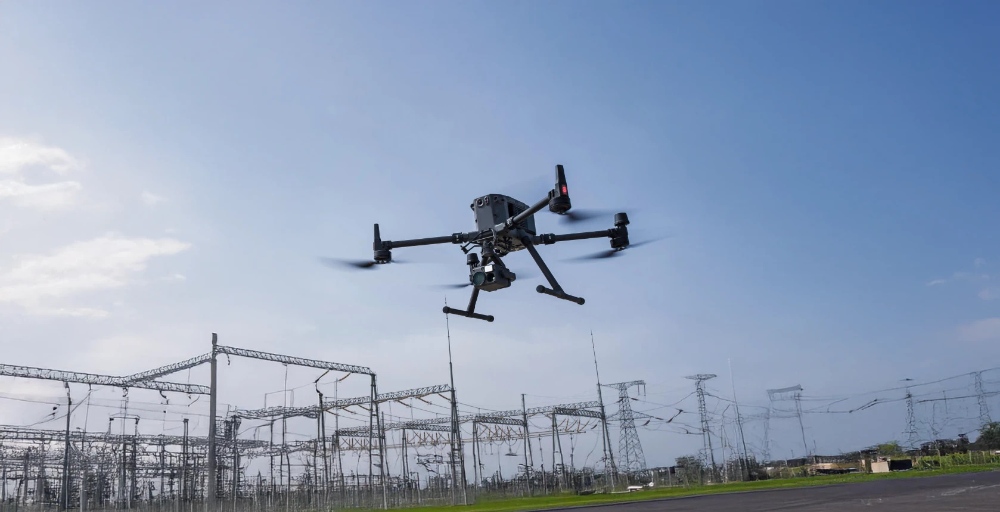
Any drone you buy is likely to have a maximum transmission range or similar figure in the specification sheet. While this can be much greater than 400ft, it is important to note that this does not give permission to fly higher or farther than the law allows. These figures are technical performance specifications, not legal operating limits.
If your drone is technically capable of operating far above 400ft, you must still ensure that the flight remains lawful. Safety is paramount, and loss of control at height could pose a serious risk to other airspace users or people on the ground. It is also worth understanding a drone’s service ceiling or maximum take-off altitude, which indicates the altitude at which the aircraft is designed to operate effectively.
To understand a drone’s potential, consider Airbus Zephyr. This is a high-altitude unmanned aircraft system designed to operate above 60,000ft in the stratosphere, and Airbus has also published a record flight of 76,100ft for this class of UAS. This shows the immense potential of unmanned aircraft when designed for specialist high-altitude operations.

Maximum Drone Altitudes By Type
When investing in a drone, it helps to know whether it is suitable for your requirements. For example, a professional photographer or surveyor may need a more capable aircraft, while a beginner may be better suited to a simpler and lower-powered model.
- Toy Drone. Toy drones are usually limited to relatively low altitudes and short range. They can provide a useful starting point for beginners, but actual limits vary significantly by manufacturer and model.

- Racing Drones. These are built for speed, agility, and responsiveness rather than height. Their practical operating height varies depending on setup, radio link, and intended use.
- Hobby Drones. Consumer camera drones often have very capable technical ceilings, but in the UK they are still normally subject to the 120m legal limit unless a lawful exception or authorisation applies.
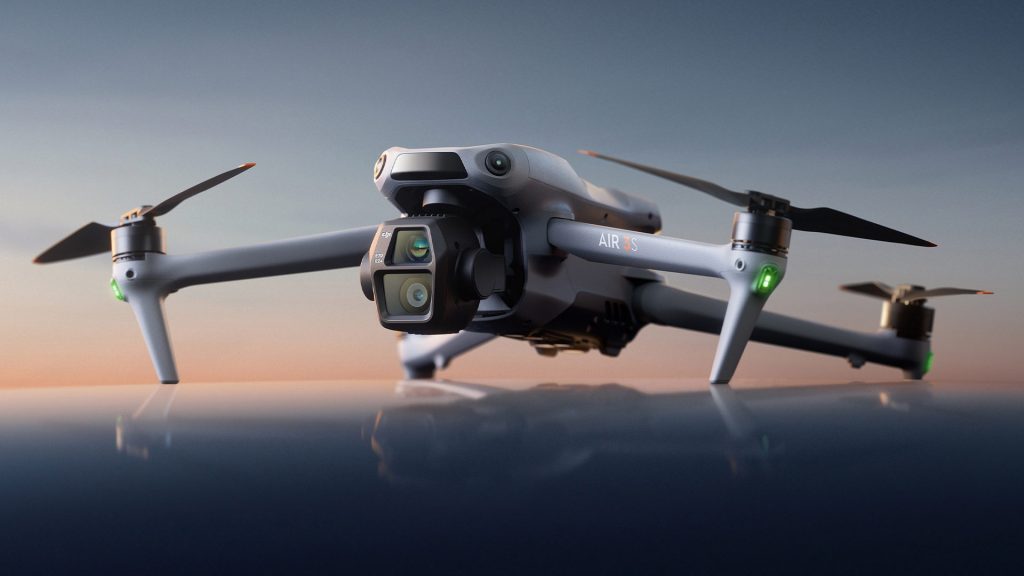
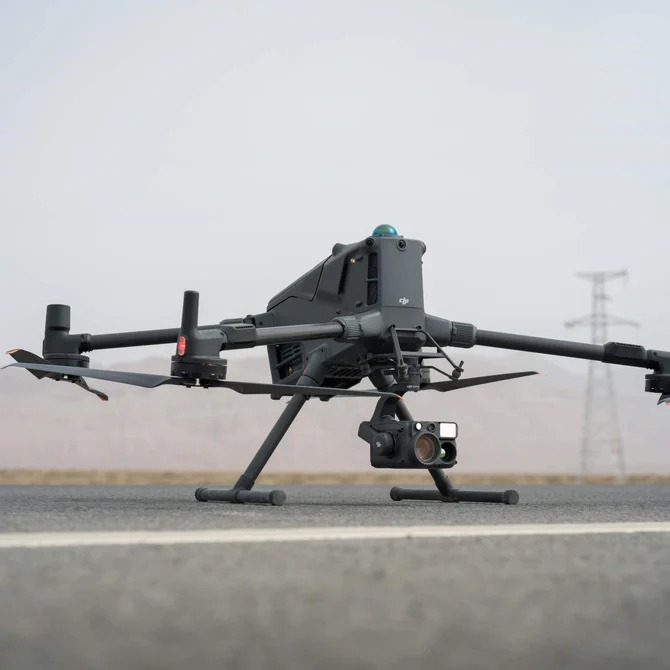
- Commercial Drones. Enterprise and inspection platforms can offer higher service ceilings, greater wind tolerance, and longer endurance, making them suitable for more demanding environments. Again, legal operating height remains governed by the operation and authorisation, not just the specification sheet.
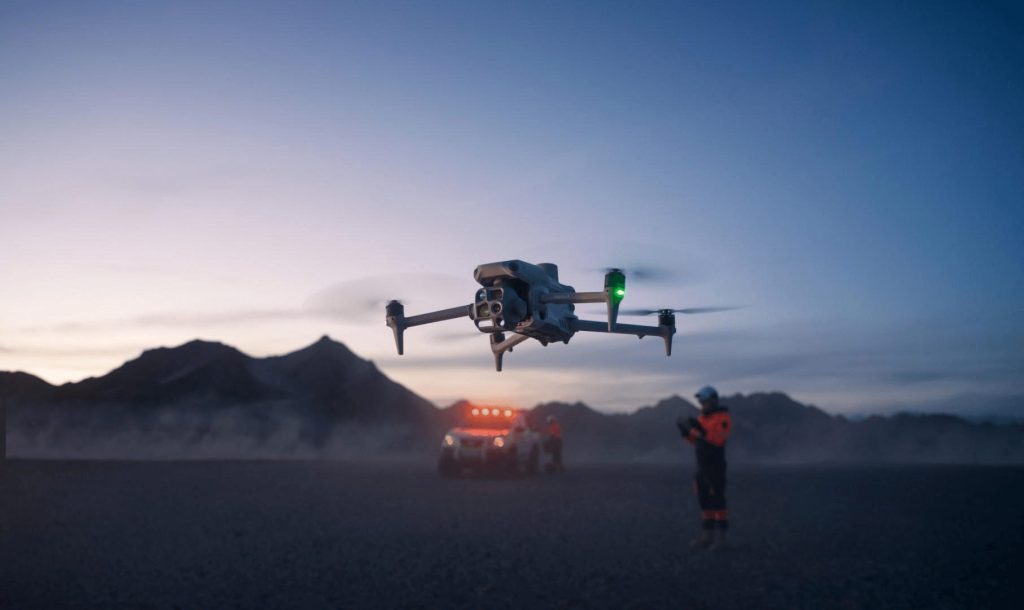
- Military Drones. Military systems are purpose-built for specialist missions and can operate far beyond the capabilities of consumer and commercial drones, subject to entirely different regulatory and operational frameworks.
What Drones Can Fly Highest?
If you intend to invest in a drone with strong high-altitude capability, some models provide a better starting point than others. Current examples include:
- DJI Inspire 3. DJI states a maximum service ceiling above sea level of 3,800 m with standard propellers and 7,000 m with high-altitude propellers.

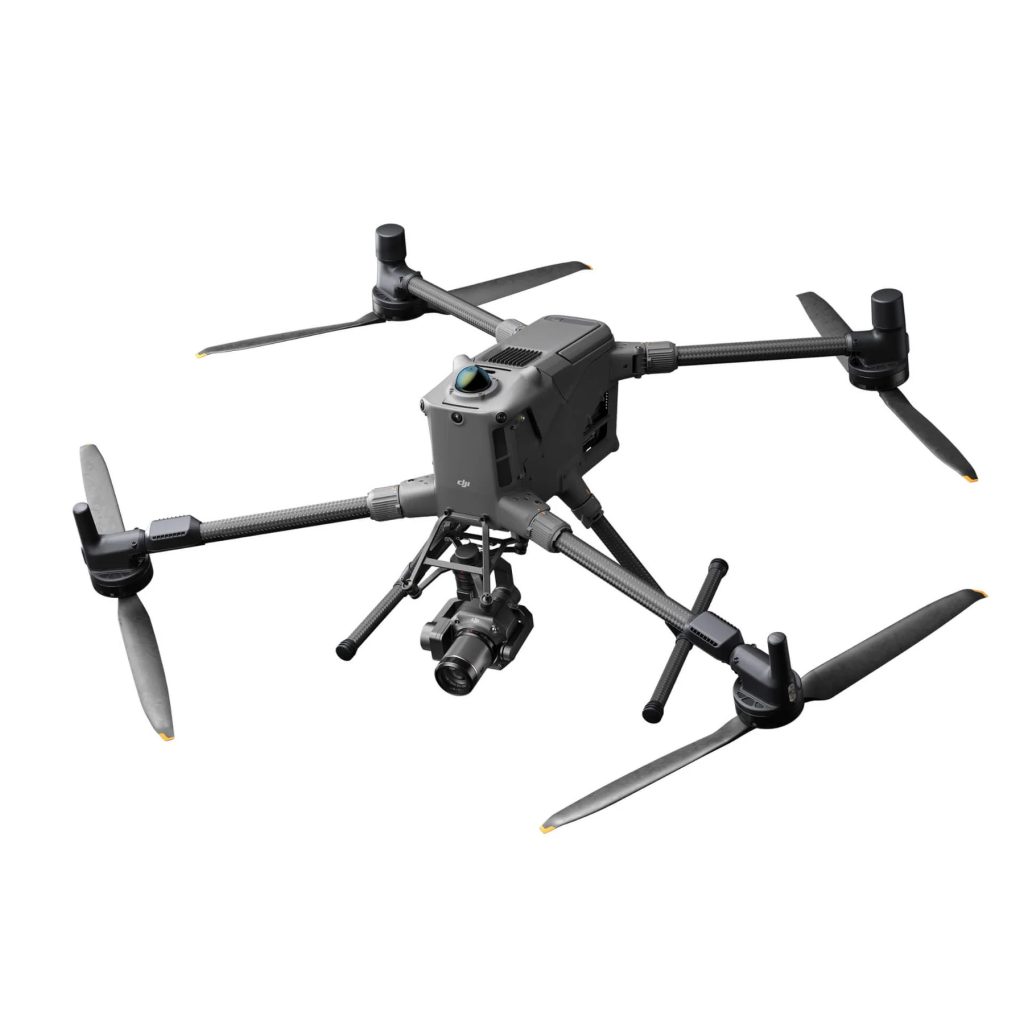
- DJI Matrice 4 Series. DJI states a maximum altitude of 6,000 m, making it one of the stronger current enterprise options.
- DJI Mavic 4 Pro. DJI states a maximum take-off altitude of 6,000 m.
- DJI Air 3S. DJI states a maximum take-off altitude of 6,000 m.
- DJI Mini 4 Pro. DJI states a maximum take-off altitude of 4,000 m with the standard Intelligent Flight Battery.
Conclusion
As you can see, drones are technically capable of operating at impressive altitudes, but in normal UK operations the key issue is the legal limit, not the aircraft’s raw capability. Before flying above 120m (400ft), make sure a lawful exception applies or that you hold the appropriate CAA authorisation.
Keep in mind, too, that just because a drone can reach a certain altitude does not mean that it is advisable or legal. Wind, temperature, pressure, aircraft performance, payload, battery condition, and signal environment all affect how safe and practical a flight will be.
Keep all of this in mind when using a drone for hobby, commercial, or enterprise purposes. Without a lawful basis to exceed 400ft, stay within the applicable limit and operate safely.
Download Our FREE RPC-L1 Guide
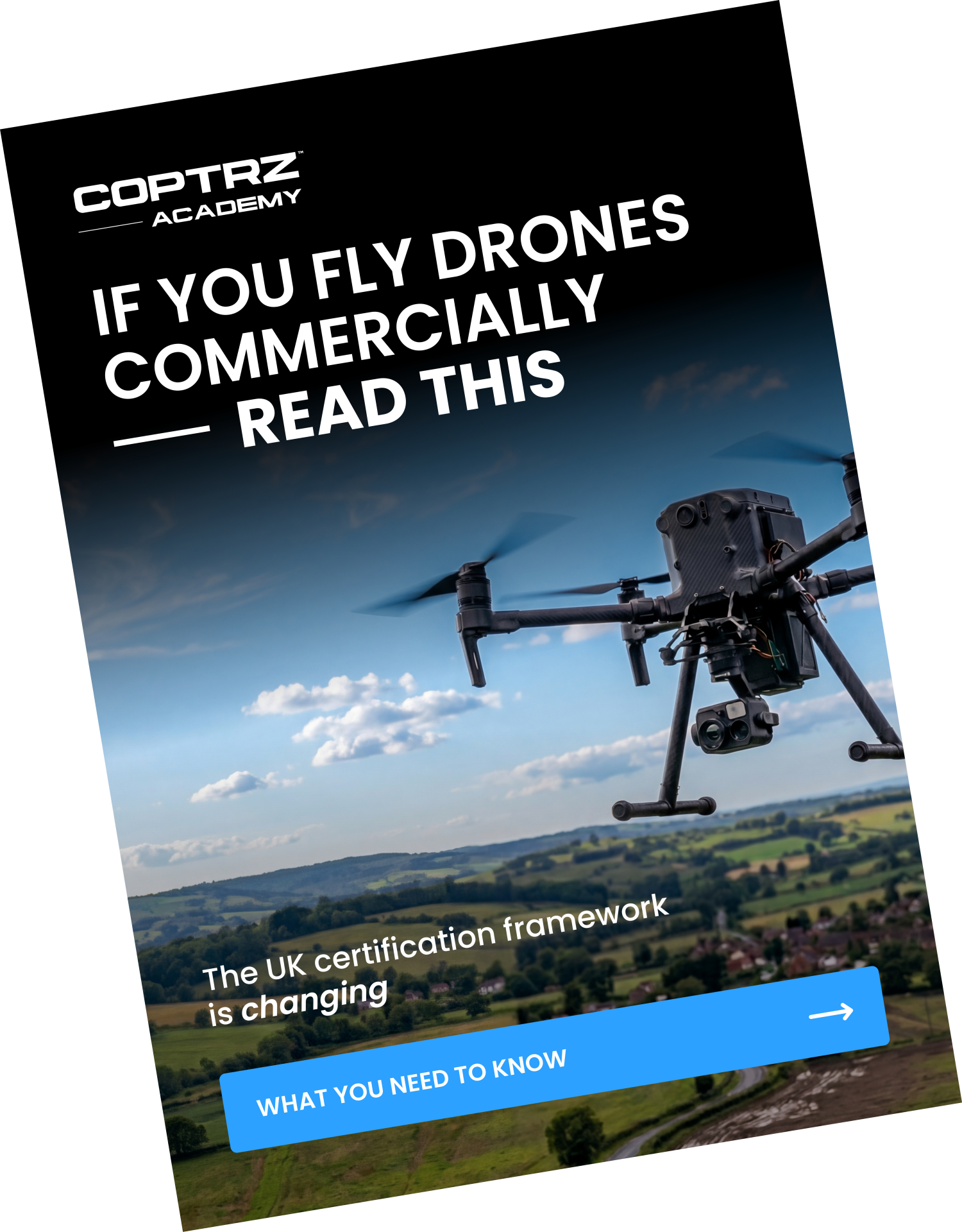
Understand everything you need to know about moving towards commercial drone operations with our RPC-L1 guide.
- Understand what RPC-L1 is and who it is for
- Learn how the CAA transition impacts operators and training routes
- Get a clear breakdown of requirements, costs and next steps
Related Posts

FAA Warns World Cup Drone Flyers Of Fines Up To $100,000
The FAA has confirmed temporary flight restrictions over every stadium hosting FIFA World Cup 2026 matches, alongside fan events, team hotels and training base camps across the United States. The rules ground all uncrewed aircraft within set radiuses on match days, and unauthorised flights carry fines of up to 100,000 dollars. This article breaks down […]

How Networx3 are using inspection drones
In this blog you’ll find out how our customer Networx3 is using drones for inspection: How using drones for inspection has made their operations safer, faster and more cost effective How Networx3 use inspection drones to manage risk and protect their workforce The different types of drones Networx3 use for industrial inspection An insight into […]
DJI MINI 3 PRO FIRMWARE UPDATE: UNLOCK INTELLIGENT MODES AND DJI FLY APP COMPATIBILITY
DJI has released a new firmware update for the Mini 3 Pro, its latest mini drone that’s easy to take with you anywhere you go. This is the first major update to the drone since May and has unlocked new features such as obstacle detection and a complete series of smart shooting modes. Mini 3 Pro aircraft firmware […]