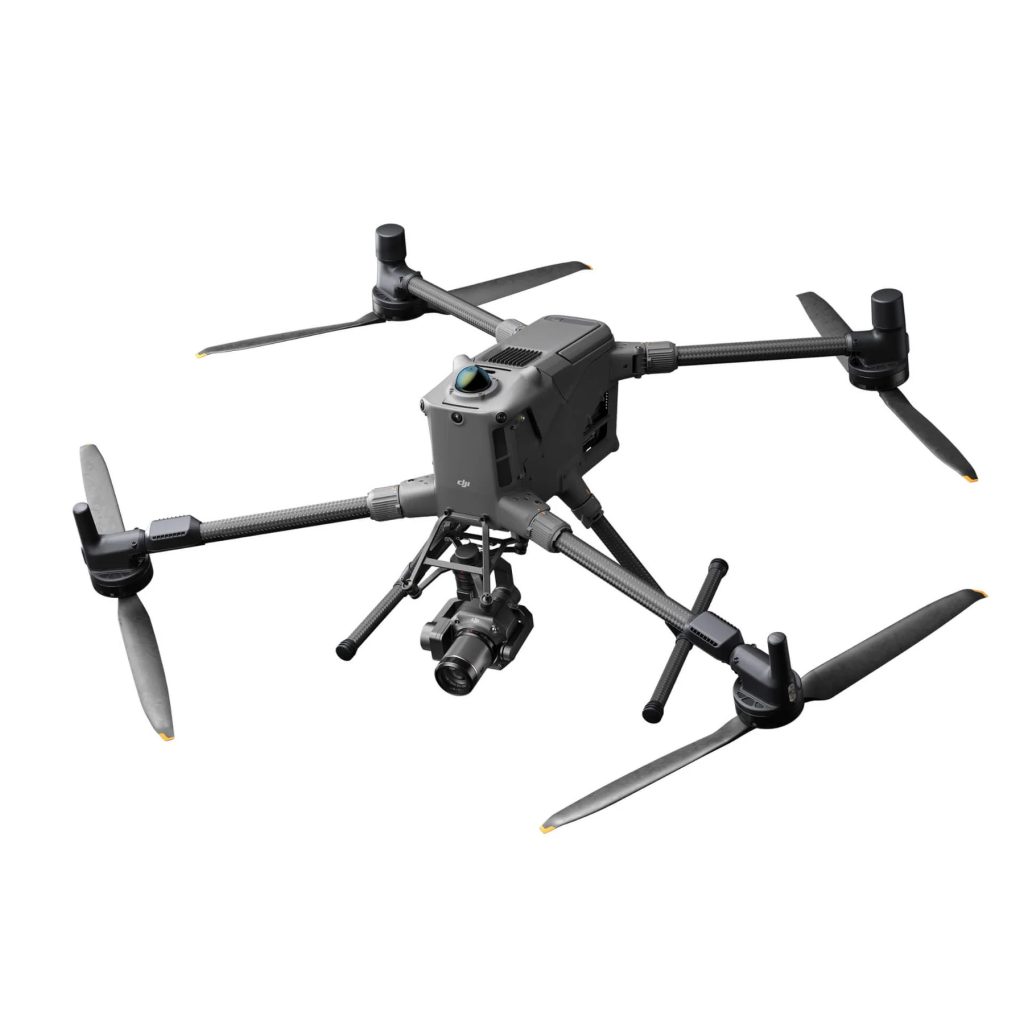
In a surprising turn of events, DJI, a leader in the world of drone technology, has recently announced the discontinuation of its support for iOS development in its Software Development Kits (SDKs). This move, effective from November 29, 2023, signals a significant shift in DJI’s strategy, impacting a broad spectrum of developers and possibly the drone industry at large.
DJI’s iOS SDK Support Ends: A Closer Look
Historically, iOS has enjoyed a privileged position in the realm of third-party app support. Developers have often favoured iOS due to its robust ecosystem and affluent user base. However, DJI’s decision to cease iOS SDK support marks a departure from this trend. As confirmed in a post to developers, DJI will no longer maintain its iOS SDK, effectively urging developers to pivot towards Android.

Image source: GPSGIS_Eric
Pivot Towards Android
With the iOS door closing, DJI is nudging developers towards Android app development. This recommendation is not just a mere suggestion but a strategic redirection, considering Android’s expanding market share and diverse user base. This pivot could be a calculated move to align with broader market trends and cater to a larger segment of technology users.
What About Windows
The notice also spells an uncertain future for Windows developers engaged with DJI’s SDKs. Unlike the iOS situation, where a clear alternative is provided, Windows developers are left without a definitive path. DJI vaguely suggests the use of its mobile SDK or cloud API, based on the application scenario. This lack of clarity could lead to confusion and frustration among the Windows developer community.
What About Windows
In an attempt to streamline its offerings, DJI has integrated the functionality of its Onboard SDK into the Payload SDK. However, the uncertainty about whether the full functionality has been ported is a concern. For developers relying on specific features of the Onboard SDK, this integration could be a double-edged sword – offering potential new opportunities but also posing the risk of losing critical functionalities.

DJI Onboard SDK
Potential Reasons for the Shift
The decision to end iOS support might be influenced by factors beyond market trends. DJI’s former VP of Policy & Legal Affairs hinted at ‘government restrictions, lists, and sanctions‘ as possible reasons. This speculation opens up a broader dialogue about the impact of geopolitical factors on technology and development strategies.
Impact on the Developer Community
This strategic shift by DJI could have significant implications for the developer community, especially those heavily invested in the iOS ecosystem. Developers may now face the challenge of adapting to Android’s development environment, which, while offering its advantages, also comes with a learning curve and adaptation costs.
DJI’s pivot towards Android could reshape its market position and relationships within the tech community. It could be perceived as a move towards a more inclusive, Android-centric approach, potentially widening its user base. However, it also risks alienating a segment of its developer community, particularly those dedicated to iOS and Windows platforms.

(Image source: Team Counterpoint)
The Bigger Picture: Industry Trends and Consumer Impact
This move by DJI could be indicative of a larger trend in the tech industry, where companies are increasingly diversifying their focus to include a broader range of platforms and ecosystems. For consumers, this could mean more diverse and innovative applications, as developers explore new possibilities within the Android framework.
DJI’s decision to end support for iOS and Windows SDKs is a pivotal moment in the company’s trajectory. It reflects not just a change in technical direction but also a strategic adaptation to the evolving technological landscape. As the implications of this decision unfold, it will be interesting to see how developers adapt and how this will shape the future of drone technology and its applications.
For DJI, this move is a gamble – one that could either strengthen its position in a competitive market or lead to challenges in maintaining its developer base. As with any significant change, there will be hurdles and opportunities. The drone industry, known for its dynamism and innovation, is once again at a crossroads, poised for new developments and directions.
Download Our FREE RPC-L1 Guide
Understand everything you need to know about moving towards commercial drone operations with our RPC-L1 guide.
- Understand what RPC-L1 is and who it is for
- Learn how the CAA transition impacts operators and training routes
- Get a clear breakdown of requirements, costs and next steps
Related Posts

Want to make six figures? Try being a drone pilot
Jobs that pay in excess of £100,000, are few and far between. You’ll either have to go to medical school for five years or land a job in the city. But with a little hard work and endeavour, you could join the six-figure a year club by becoming a freelance professional drone pilot. Take Andrew […]

What Is RTK SLAM and Why Does It Matter for UK Surveyors?
UK survey teams are being asked to do more with the same resource. Larger sites, tighter deadlines, fewer return visits, and clients who expect deliverable-ready data rather than raw files. RTK SLAM is becoming an important part of that conversation – not because it replaces every existing tool, but because it closes a real gap […]

Overview of drone capabilities and their potential risks
As drone technology becomes ever more capable and easier to use, the number of drones flying globally is set to triple over the next three years. Data from the Federal Aviation Authority (FAA) suggests that the number of hobby drones operating will increase from 1.10 million to between 2.75 and 4.47 million. The number of […]